Related Articles
- Sporting Rituals: The Curious Connections Between Athletic Events and Ancient Traditions of Worship and Community Bonding
- Game On: The Surprising Influence of Sports on Fashion Trends and Personal Identity in Youth Culture
- Rituals and Rites: How Competitive Sports Influence Cultural Practices in Spiritual and Indigenous Communities
- Sports as Social Glue: Examining the Bond Between Athletic Rivalries and Neighborhood Integration
- Spectacles of Strife: How Weather Patterns Disrupted Historic Sports Events and Changed Athletes' Fortunes
- Bizarre Beginnings: The Unwritten Rules of Quirky Sports and Their Role in Shaping Modern Athletics

Whispers of the Game: Exploring the Role of Sound Design in Enhancing Athletic Environments and Fan Experience
Whispers of the Game: Exploring the Role of Sound Design in Enhancing Athletic Environments and Fan Experience
In the bustling world of sports, sound design often slips under the radar, yet it significantly shapes the experience of athletes and fans alike. This article delves into how sound enhances athletic environments, amplifies emotions, and fosters a stronger connection between teams and their supporters.
The Soundscape of Sport
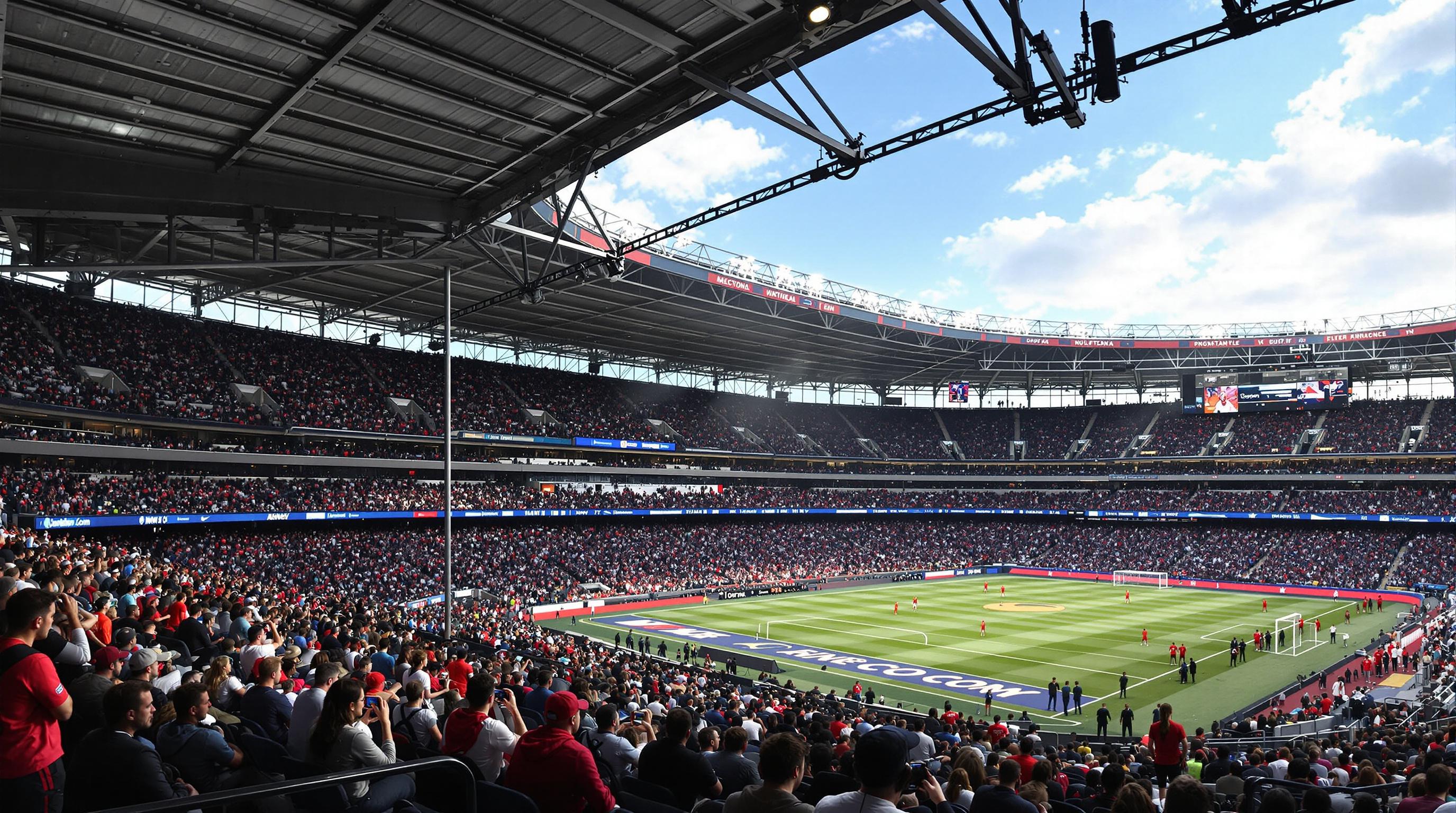
Imagine walking into a stadium. The air is electric, filled with the anticipation of the crowd. If you close your eyes, you can hear the competing sounds: the rhythmic beat of drums, the roar of thousands of voices, and perhaps even the sharp crack of a bat hitting a ball. This is sound design at its core—a carefully curated auditory experience that not only elevates the atmosphere but also influences player performance and fan engagement.
Statistics Speak Volumes
According to a study published by the Journal of Sports Sciences, performance metrics in basketball can improve by up to 15% when athletes are subjected to a motivating sound environment. The study highlighted how specific frequencies and sound textures could enhance concentration and focus, proving that sound is a crucial element in the realm of sports.
Breaking Down the Elements
So, what exactly constitutes sound design in sports? It’s a multi-faceted approach involving music, crowd noise, sound effects, and announcements. Each element is instrumental in crafting a cohesive and immersive experience. For instance, the pounding bass of a pre-game anthem can get fans pumped, while post-game commentary fosters a sense of closure and reflection.
Stadium Sound Systems: A Case Study
Take, for instance, the Fiserv Forum in Milwaukee. Home to the Milwaukee Bucks, the arena features advanced sound technology that allows for a 360-degree audio experience. “It’s not just about playing music,” says arena sound engineer Mike Johnson. “It’s about creating an experience that resonates with the crowd and enhances the excitement of the game.” In 2019, surveys revealed that 85% of attendees felt the sound environment heightened their overall enjoyment of events held at the Forum.
The Role of Music
Picture this: It’s the final quarter, the score is neck and neck, and the tension is palpable. As the opposing team attempts a free throw, a well-placed sound effect (like a complimentary booing chorus or a player’s catchy nickname chant) can distract the shooter, possibly altering the trajectory of the game. Music plays a pivotal role here; genres and individual songs can stimulate adrenaline and elevate mood, solidifying the bond between fans and their teams.
Creating Emotional Connections
Sound design isn’t just about the game; it’s also an emotional experience mirrored in collective sound. The famous “We Will Rock You” by Queen has become a stadium anthem, bringing fans together to chant and stomp in unison. The power of this shared experience can heighten emotional moments and create lasting memories. A fan’s first game, surrounded by deafening cheers and musical anthems, can become an unforgettable highlight of their childhood.
Temporal Transitions: The Art of Sound Design
There’s a certain art to transitioning sounds within a game. Imagine the shift from the excitement of the first quarter to the tension of the final moments. During key plays, the volume may rise or fall to create suspense, and sound effects may signal pivotal moments to keep fans on the edge of their seats. This ebb and flow help create an emotional rollercoaster, guiding audience reactions in a way that can inspire athletes to deliver their best performances.
Anecdote: The Unforgettable Sound of Victory
Let me tell you a story. Back in 2016, I attended a riveting overtime playoff game between the Toronto Raptors and the Miami Heat. The atmosphere was electric, but what made it unforgettable wasn’t just the thrilling basketball; it was the collective sound of 20,000 fans erupting in jubilation as DeMar DeRozan sank a three-pointer at the buzzer. That moment—cloaked in the rich layers of cheers, gasps, and the unmistakable victory anthem—etched itself into my memory as the pinnacle of a live sports experience. I still get goosebumps reliving that moment!
Sound Design in Different Sports
While we often think of basketball and football when discussing sound design, every sport incorporates unique auditory elements. For instance, in baseball, the crack of the bat, the pop of the glove, and even the chirps of the fans as they partake in iconic seventh-inning stretches add to the charm. This soundscape is distinctively different from the thunderous roars of a soccer match, where chants and cheers symbolically represent club loyalty. Each sport’s sound identity can significantly influence the culture, rituals, and emotional ties felt by fans.
The Science of Sound and Athletic Performance
Delving into the scientific aspect, auditory stimuli can affect performance on a physiological level. A notable study led by Dr. Charlotte Dyer at the University of Southern California found that athletes training with carefully curated playlists showed a 20% increase in endurance. This isn’t merely about ambient noise; it illustrates how tailored auditory experiences promote better outcomes for athletes. What can be more motivating than a poignant soundtrack to accompany your sweat and struggle?
The Chill Factor: Sounds of Relaxation
Conversely, sound design also plays a role in relaxation techniques for athletes. Pre-game rituals are crucial; many players now incorporate calming soundscapes or music into their warm-up routines. The Zen-like tranquility provided by ambient sounds can reduce anxiety, helping athletes maintain focus and composure before critical games. A study showed that 30% of athletes used music as a calming mechanism prior to sporting events.
Community and Inclusivity Through Sound
Every sport has a rich heritage steeped in tradition, culture, and a community fan-base that thrives on collective experience. Sound plays a huge role in reinforcing these identities. Societal movements often echo in stadiums, using the auditory framework to amplify messages of unity, diversity, and inclusivity. For example, during international matches, national anthems symbolize the unity of a country, stirring pride and passion among supporters.
Marketing Sound
Remember those jingles that just get stuck in your head? Marketing has adeptly harnessed sound to create memorable branding in sports. From the NFL’s iconic “Super Bowl Shuffle” to the latest TikTok challenge involving sports promotions, sound marketing captivates fans across various platforms. It creates catchy hooks that linger, prompting individuals to engage with their favorite teams throughout the season.
Humor in Fan Engagement
Let’s not forget humor! Some teams and stadiums embrace funny sound bites or memes that resonate with audiences. A clever use of humorous audio can foster laughter and camaraderie among fans, generating a shared bond that transcends team rivalries. Picture this: A blooper reel plays during halftime, accompanied by hilarious commentary that leaves fans in stitches. Who wouldn’t want to immerse themselves in that joyful moment?
The Future of Sound Design in Sports
As technology evolves, so does the potential for innovative sound design in sports. Virtual reality and augmented reality experiences are on the rise, bringing forth auditory experiences that can be tailored for individual fans. Imagine watching a game in VR with customized sounds—that’s the future of sporting events! With immersive 3D audio technology, fans can choose the auditory aspects they want to experience, ensuring their journey through the sporting landscape is uniquely theirs.
The Takeaway: A Harmonious Experience
The purpose of sound design in sports goes well beyond entertainment; it’s an essential element that ties together athletic performance, fan interaction, and emotional resonance. Whether it's the exhilarating thrill of a last-minute goal or the quiet introspection of a post-game analysis, sound envelops us in ways we often take for granted. So next time you step into a stadium or tune into a game, listen closely. You just might find that the real MVP is the sound designer working behind the scenes, nurturing the sonic atmosphere that elevates your experience to new heights.
Read More