Related Articles
- Sporting Rituals: The Curious Connections Between Athletic Events and Ancient Traditions of Worship and Community Bonding
- Game On: The Surprising Influence of Sports on Fashion Trends and Personal Identity in Youth Culture
- Rituals and Rites: How Competitive Sports Influence Cultural Practices in Spiritual and Indigenous Communities
- Sports as Social Glue: Examining the Bond Between Athletic Rivalries and Neighborhood Integration
- Spectacles of Strife: How Weather Patterns Disrupted Historic Sports Events and Changed Athletes' Fortunes
- Bizarre Beginnings: The Unwritten Rules of Quirky Sports and Their Role in Shaping Modern Athletics
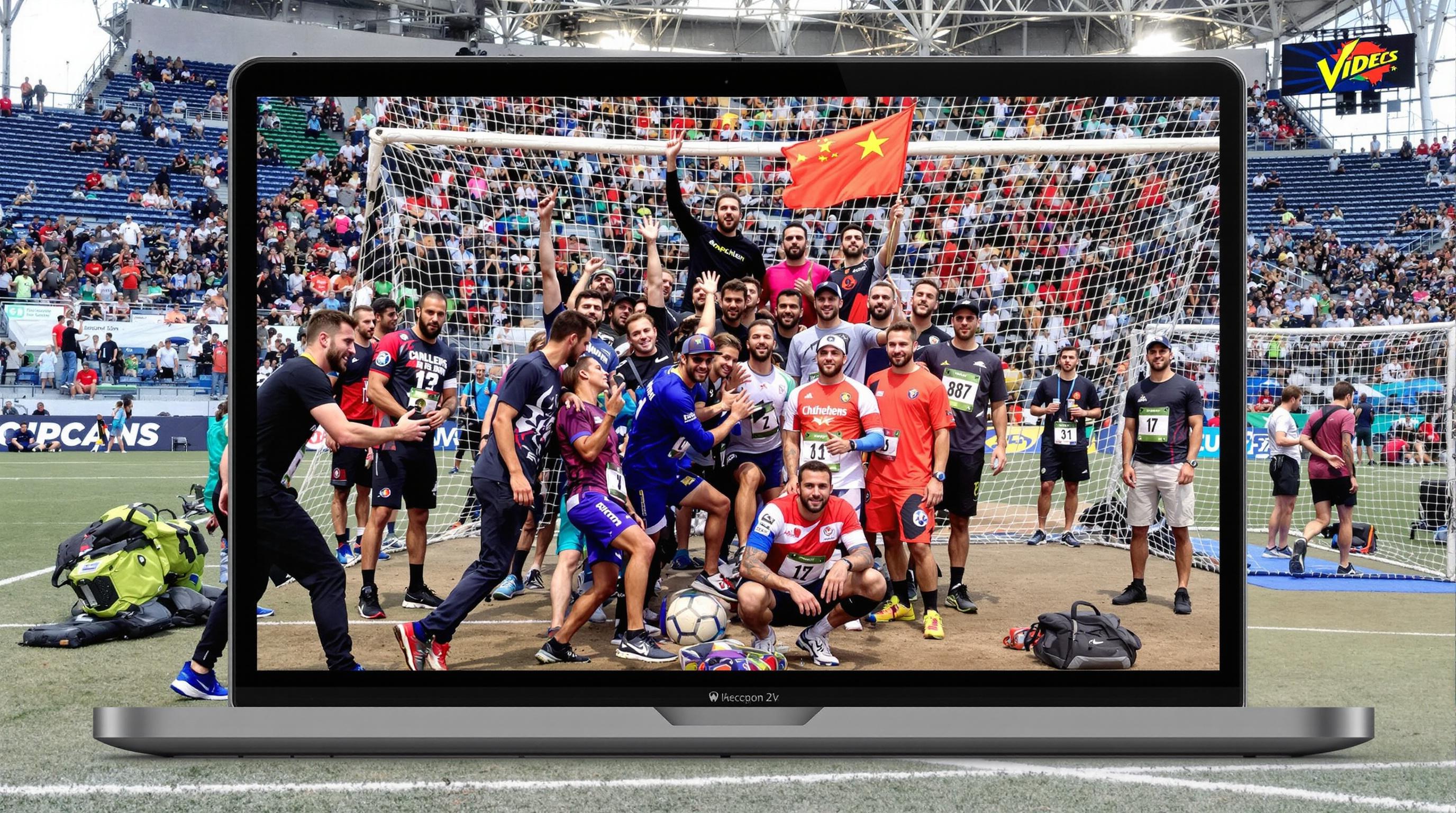
Athletic Nomads: Exploring the Rise of Remote Competitions and Virtual Groups in the Sports Landscape
Athletic Nomads: Exploring the Rise of Remote Competitions and Virtual Groups in the Sports Landscape
Athletic nomads are redefining the sports landscape through the emergence of remote competitions and virtual groups. This article delves into this growing phenomenon, exploring its history, implications, and impact on athletes and fans alike.
The Genesis of Athletic Nomadism
The concept of athletic nomadism emerged from a combination of technological advancements and a desire for deeper connection within fitness communities. In the early days of digital fitness, websites like Team Beachbody and MyFitnessPal laid the groundwork by introducing online tools for tracking workouts and nutrition. As of 2022, a staggering 51% of participants in fitness activities were utilizing some form of digital tracking. This gradual integration of technology into physical activity opened the floodgates for remote competitions.
The COVID-19 Catalyst
Perhaps no single event accelerated the rise of athletic nomadism more than the COVID-19 pandemic. With traditional competitions canceled or postponed, athletes turned to virtual races and challenges. According to a survey by RunRepeat, organized virtual races saw a 90% increase in participation from 2019 to 2021. Many athletes had to adapt quickly, often creating makeshift home gyms and utilizing social media to connect with their peers.
Meet the Athletes: The Rise of DIY Competitors
Let’s take a look at Sarah, a 28-year-old trail runner from Oregon. Sarah found herself unable to compete in her usual local races due to pandemic restrictions and turned to virtual events. She set up a personal challenge to run a marathon distance at her local track, using GPS tracking to prove her performance. With determination and a sprinkle of creativity, Sarah not only completed her virtual marathon but also inspired dozens of friends to join her in various challenges through social media. Suddenly, each run became a community event, bringing together athletes from across the state.
Engaging the Next Generation: Young Athletes and Virtual Communities
Young people are particularly drawn to these new virtual formats. A report by the Sports & Fitness Industry Association indicated that 47% of participants in remote athletic activities are under 30. Platforms like Strava and Zwift have become playgrounds for competitive cyclists and runners who share their experiences, set challenges, and even create leaderboards. It’s like having a race at your fingertips without ever having to lace up your shoes next to a rival.
The Tech Revolution in Sports
Behind the scenes, various technologies support this new paradigm. Wearable tech, such as fitness trackers and smartwatches, enable athletes to monitor their performance with precision. Virtual reality (VR) and augmented reality (AR) are also making strides in creating immersive training experiences. In fact, according to a report by Grand View Research, the global fitness app market is expected to reach $14.7 billion by 2027, showcasing the appetite for engaging remote fitness solutions.
Building Community: The Social Element of Remote Competitions
Community engagement has become a lifeline for many athletes. Digital platforms offer participation in group challenges and social media communities where participants share goals, triumphs, and struggles. An example is the “Quarantine Backyard Ultra,” a virtual ultramarathon where participants ran as far as they could within 24 hours, creating a shared experience that connected athletes worldwide. According to Race Roster, there were over 1,500 participants from 38 countries in its inaugural year.
Challenges of Remoteness
While the rise of athletic nomadism has many advantages, it’s not without its challenges. Some athletes miss the thrill of a physical race—the excitement of a starting gun, the camaraderie of running shoulder-to-shoulder with fellow competitors, and the vibrant atmosphere of live sporting events. Health experts raise concerns about the potential for isolation, as the social interactions that typically accompany sports may dwindle in virtual settings. A study published in the Journal of Sport Behavior noted that in-person interactions significantly improve motivation and commitment to fitness activities.
Adapting to Change: Virtual Coaching and Remote Fitness Training
As the remote competition landscape has flourished, so too has the demand for virtual coaching. Coaches have pivoted to online platforms to deliver personalized training sessions using Zoom, Skype, or dedicated fitness apps. A study by the International Journal of Sports Physiotherapy reported that nearly 60% of participants prefer receiving fitness coaching remotely due to its convenience and flexibility. As a result, budding trainers are seizing this opportunity—coaching clients in their home environments and utilizing social media for demonstrations.
A Case Study in Virtual Competitions: The Rise of E-Sports
The continued rise of e-sports has demonstrated how competitive environments can thrive in digital formats. The global e-sports audience is expected to surpass 577 million by 2024, fueling the growth of e-sports competitions akin to traditional sporting events. For many, e-sports becomes an establishment where athletes train rigorously for the perfect shot or maneuver, introducing a new layer to athletic endeavors. Some may argue that this blurs the lines between physical and digital competitions, but “athletic” remains a subjective and evolving term.
Staying Motivated: Maximizing the Virtual Experience
Even with all these advantages and innovations, staying motivated in a remote setting can be a struggle. Here are a few tips tailored to young, striving athletes:
- Schedule Regular Workouts: Treat remote competitions like a traditional race. Schedule daily workouts as if you're training for an event.
- Join Virtual Meetups: Participating in scheduled online sessions can help recreate the community feeling typical of live events.
- Share Progress: Use social media to share workouts, goals, and improvements. Engaging with others can provide encouragement and accountability.
Looking Ahead: Speculation on Future Sports Trends
As we embrace the complexities of remote competitions, the future of sports seems to be one of hybrid formats. Could we see a day where live competitions incorporate virtual participation from around the world? Organizations like Ironman have already tested this with hybrid formats, allowing athletes to compete in person while still connecting remotely through their individual results.
With climate concerns, cost-effectiveness, and accessibility at the forefront of conversations today, the integration of virtual systems looks promising. This shift could democratize the sports landscape, making events more accessible to broader and more diverse participants.
Conclusion: Athletic Nomads Transforming the Sports Scene
In culmination, athletic nomadism reveals a transformative chapter in the narrative of sports. Virtual competitions and remote groups embody innovation and community, achieving what previously seemed impossible: a globally connected sporting culture. Through digital advancements and heartfelt ambition, athletes not only adapt but thrive, shaping a future where everyone, no matter where they are, can share in the joy of athletic pursuit.
Whether you're a seasoned athlete or just taking your first steps towards fitness, the world of remote competition invites you to be a part of something bigger. Who knows? The race of your life could be just a click away!
Read More