
Related Articles
- Sporting Rituals: The Curious Connections Between Athletic Events and Ancient Traditions of Worship and Community Bonding
- Game On: The Surprising Influence of Sports on Fashion Trends and Personal Identity in Youth Culture
- Rituals and Rites: How Competitive Sports Influence Cultural Practices in Spiritual and Indigenous Communities
- Sports as Social Glue: Examining the Bond Between Athletic Rivalries and Neighborhood Integration
- Spectacles of Strife: How Weather Patterns Disrupted Historic Sports Events and Changed Athletes' Fortunes
- Bizarre Beginnings: The Unwritten Rules of Quirky Sports and Their Role in Shaping Modern Athletics
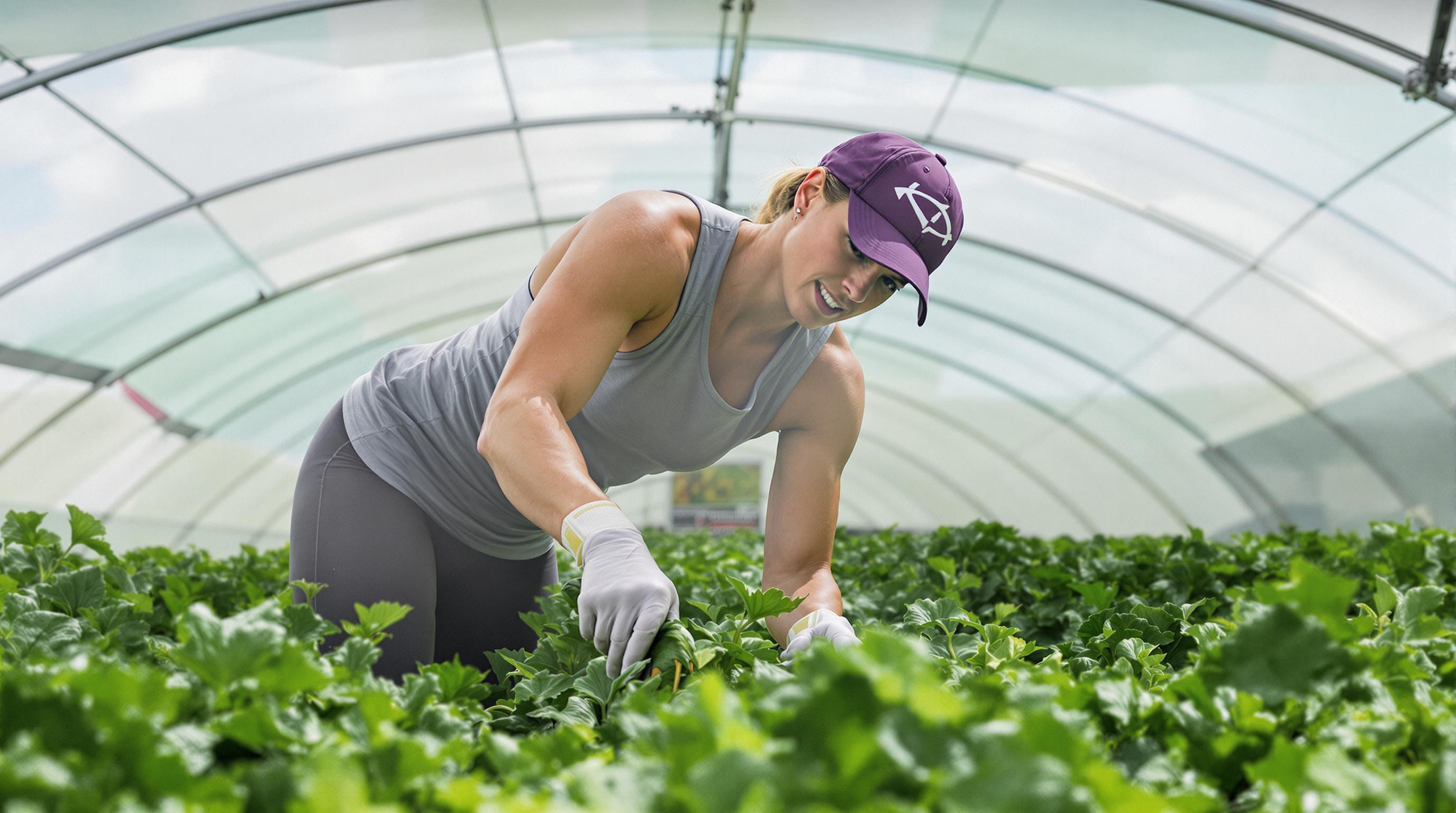
Unveiling the Unexpected: How Urban Agriculture is Transforming Athlete Nutrition and Performance
Unveiling the Unexpected: How Urban Agriculture is Transforming Athlete Nutrition and Performance
Urban agriculture is revolutionizing the way athletes approach their nutrition, tapping into local food sources to enhance performance and overall well-being. This article navigates the unexpected intersections of city farming, sustainability, and athlete diets, showcasing real-world examples that illustrate this powerful trend.
Unlikely Champions: The Case of Urban Farms
Imagine a basketball player, sweating in practice, reaching for a fresh, juicy tomato instead of a pre-packaged energy bar. This scenario is becoming more commonplace in cities where urban agriculture is thriving. According to a report from the American Community Gardening Association, about 35% of U.S. households are engaged in some form of urban farming. These efforts not only promote sustainability but also provide easy access to nutrient-dense foods, making them ideal for athletes striving for optimal performance.
The Nutritional Advantage
For athletes, nutrition is key to performance, and the right fuel can lead to significant gains on the field. Studies show that diets rich in fruits and vegetables improve athletes' energy levels, recovery times, and overall health. A study published in the Journal of the International Society of Sports Nutrition found that increasing fruit and vegetable intake correlates with better hydration and antioxidant status—critical factors for athletes during vigorous training sessions.
From Farm to Table: The Process
Urban farms operate in small spaces, sometimes taking over vacant lots or rooftops. These farms utilize innovative techniques such as aquaponics, hydroponics, and vertical farming to grow food efficiently. A well-known example is the Gotham Greens facility in Brooklyn, New York, which produces over 500,000 pounds of organic greens annually.
Interestingly, local urban farms not only cut down on food miles, reducing their carbon footprint, but they also help create a sense of community. Athletes can visit these farms, interact with the growers, and learn about the nutritional value of the foods they consume. This connection fosters a deeper appreciation for the food-wielding power of fresh produce.
Celebrity Endorsements
Even elite athletes are taking notice of the trend. Former NFL star and current health advocate, Tony Gonzalez, has voiced support for urban farming initiatives, emphasizing the role of fresh produce in his training. He believes that “eating right is fundamental to maintaining peak performance, and urban agriculture puts fresh and healthy food right at your fingertips.”
A Recipe for Success: Local Sourcing
Many professional sports teams are now partnering with local urban farms to provide fresh produce for their athletes. The San Francisco Giants, for instance, source their garlic fries from a local urban farm, promoting both wellness and sustainability. Similarly, the Seattle Seahawks have established relationships with city farms to ensure their players have access to fresh greens year-round.
The Environmental Impact
Urban agriculture isn’t just a boon for athletes; it’s also a game-changer in terms of environmental sustainability. Urban farms can help mitigate urban heat, improve air quality, and even support biodiversity. In fact, according to the World Bank, increasing green spaces in cities can reduce urban temperatures by up to 5 degrees Fahrenheit, creating a healthier environment for all city dwellers, including athletes in training.
How Athletes Are Getting Involved
Many athletes are taking their commitment to nutrition a step further by getting involved in urban agriculture initiatives. Olympic sprinter Allyson Felix has been known to advocate for food justice, connecting her audience to the benefits of local produce. In her words, “When athletes take charge of their own nutrition, they transform the game. The fresher the food, the better the performance.”
The Urban Garden Movement
Urban gardens promote not just sustenance but community well-being. A study by the Journal of Environmental Psychology indicates that individuals who engage in community gardening report higher levels of self-esteem and motivation. For athletes, who often thrive on community and support, these gardens provide more than just nutrition; they foster a sense of engagement and purpose.
Bridging the Nutritional Gap
For many urban athletes, access to fresh produce isn't a given. Urban farming initiatives are valuable in addressing food deserts—areas where access to affordable and nutritious food is limited. A study by the USDA reveals that nearly 39 million people in the U.S. live in food deserts, which can significantly impact their health and athletic performance.
In the Kitchen: Recipes for Performance
It’s one thing to grow fresh produce; it’s another to know how to transform it into meals that fuel performance. Let’s explore a couple of standout recipes that athletes can whip up using their locally sourced ingredients.
1. Urban Greens Smoothie
Ingredients:
- 1 cup fresh spinach or kale from the nearby urban farm
- 1 banana
- 1 cup almond milk
- 1 tablespoon almond butter
- A sprinkle of chia seeds
Instructions:
Blend all ingredients until smooth. Enjoy this nutrient-packed smoothie for a quick pre-workout boost!
2. Farm-to-Table Salad
Ingredients:
- 2 cups mixed greens
- 1 cup diced heirloom tomatoes
- ¼ cup feta cheese
- 1 cucumber
- 2 tablespoons olive oil
- Juice from 1 lemon
Instructions:
Mix all ingredients and enjoy a refreshing, hydrating salad that will keep you performing strong!
Sustainability Meets Modern Athleticism
As athletes embrace the ethos of sustainability through urban agriculture, they also inspire their fans and communities. This crossover between sports and sustainability is more than a trend; it's a necessary shift towards a healthier planet and healthier people. As these champions advocate for better nutrition and access to local foods, they pave the way for a new generation of athletes who are more in tune with their dietary choices.
The Role of Technology
Innovations in technology have made urban farming even more accessible. For example, mobile apps like “Farmigo” connect local consumers directly with urban farms, streamlining the buying process. The result? Athletes can access high-quality, fresh produce with just a few clicks, fueling their training with the best that urban agriculture has to offer.
Wrap-Up: Reaping the Rewards
From the court to the kitchen, urban agriculture is redefining athlete nutrition and performance, one ripe tomato at a time. As more athletes integrate locally sourced foods into their diets, we can expect not only enhanced performance but also a stronger, healthier community. The future of sports nutrition is undeniably rooted in our backyards—literally!
So, whether you’re a young athlete just starting your journey or a seasoned pro, consider stepping into the world of urban agriculture. Dig in, get your hands dirty, and discover the transformative power of fresh food in your quest for peak performance!
Read More