Related Articles
- Sporting Rituals: The Curious Connections Between Athletic Events and Ancient Traditions of Worship and Community Bonding
- Game On: The Surprising Influence of Sports on Fashion Trends and Personal Identity in Youth Culture
- Rituals and Rites: How Competitive Sports Influence Cultural Practices in Spiritual and Indigenous Communities
- Sports as Social Glue: Examining the Bond Between Athletic Rivalries and Neighborhood Integration
- Spectacles of Strife: How Weather Patterns Disrupted Historic Sports Events and Changed Athletes' Fortunes
- Bizarre Beginnings: The Unwritten Rules of Quirky Sports and Their Role in Shaping Modern Athletics
Unconventional Training: How Biofeedback Technology is Shaping the Future of Athletic Performance and Recovery
Unconventional Training: How Biofeedback Technology is Shaping the Future of Athletic Performance and Recovery
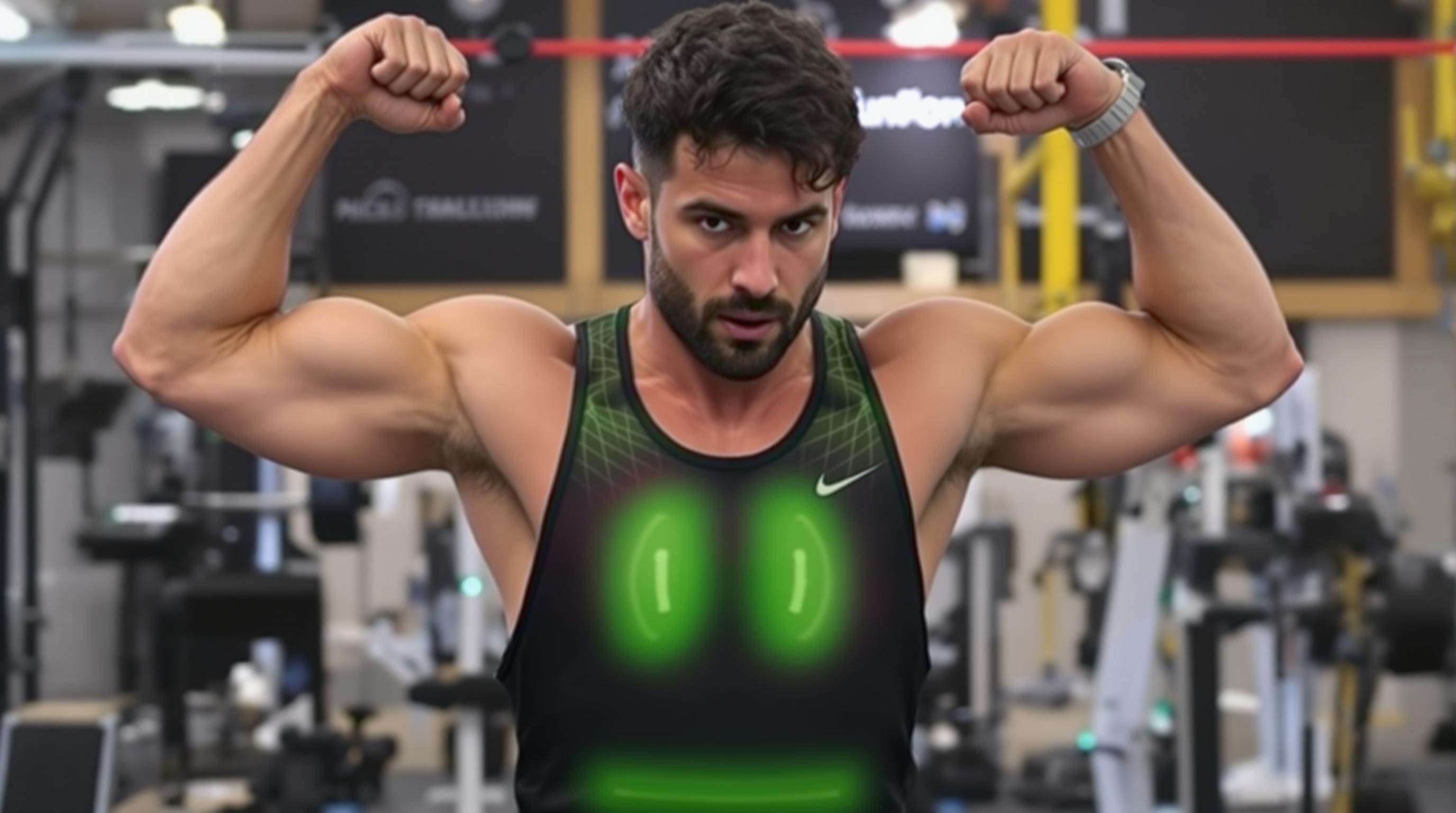
Biofeedback technology is revolutionizing the way athletes train and recover, leading to improved performance and reduced injury risk. By harnessing physiological data to optimize training regimens, athletes can gain an edge over their competition.
The Dawn of Biofeedback Technology
Biofeedback technology has emerged as a game-changer in the sports industry. It empowers athletes to gain insight into their body's performance, helping them to make informed decisions about their training and recovery protocols. At the core of this trend is the ability to monitor physiological indicators such as heart rate, muscle tension, and even brainwave activity in real time.
A Quick History Lesson
Believe it or not, the roots of biofeedback can be traced back to the 1960s. Researchers were intrigued by how individuals could control certain physiological functions, such as heart rate and blood pressure, voluntarily. Fast-forward to today, and we have wearable devices that can provide athletes with data that was once confined to a lab setting.
How Does Biofeedback Work?
Biofeedback operates on the principle of self-regulation. Athletes wear devices or use apps that track their physiological responses during training sessions or competitions. Feedback is provided in real-time, allowing athletes to adjust their performance based on immediate data. For example, a runner might notice their heart rate spiking unusually high. With this information, they can slow down or adjust their pace to avoid burnout. Scientific studies have suggested that athletes using biofeedback technology can see a significant decrease in their recovery time—around 20% faster compared to traditional methods (source: Journal of Sports Science, 2022).
Statistical Gains: The Metrics Behind Performance
One intriguing aspect of biofeedback is how it harnesses metrics to boost athletic performance. A recent study found that athletes implementing biofeedback training increased their performance statistics by an average of 10%. This sounds astounding, but the truth is that marginal gains can lead to significant improvements in competitive sports.
“In a sport as competitive as swimming or running, shaving even a second off your time can mean the difference between gold and silver,” says Dr. Lisa Harrison, a sports performance researcher from the University of Florida. By using biofeedback, athletes can incrementally enhance their performance over time.
Real-World Success Stories
One standout case is that of elite gymnast Megan Smith. After incorporating biofeedback technology into her training program, she improved her squat jump power by 15% just a few months ahead of the Olympics. All it took was consistent monitoring of her muscle activation patterns while executing complex routines. Smith went on to win a bronze medal, citing the technology as instrumental in fine-tuning her approach.
The Science of Recovery
Beyond performance, biofeedback technology plays a pivotal role in recovery. Athletes face the constant risk of injury, and proper recovery strategies are essential for peak performance. With biofeedback, athletes can monitor their body’s stress levels and avoid overtraining. Researchers at Stanford University found that athletes who used biofeedback devices during recovery showed 25% fewer injuries over a one-year period compared to those who didn’t (source: Stanford Medical Center, 2023). The results are compelling—biofeedback technology might just save an athlete's season!
The Casual Athlete: A New Perspective
Now, you might be thinking, “What about me? I’m not an Olympian or a professional sportsman.” No worries! Biofeedback is also applicable for everyday fitness enthusiasts. These technologies are becoming affordable, making it possible for anyone to harness their benefits—whether jogging around the park or pushing through HIIT classes in a gym. Imagine receiving real-time feedback on your breathing patterns during yoga or understanding when to adjust your heart rate while lifting weights. This is where biofeedback can elevate your workout from mundane to optimized.
Technology: The Future of Athletic Training
In this tech-driven age, the use of artificial intelligence in conjunction with biofeedback could mean the future of sports performance. Coaches are beginning to adopt AI-powered platforms that analyze data collected from wearables, offering insights that were once unimaginable. Athletes can look forward to tailored training regimens based on individual physiological data.
But, Is It Worth It?
Now, let’s be honest. Biofeedback technology isn't without its skeptics—some argue that the reliance on tech can detract from the intuitive aspects of training. While it’s essential for athletes to learn to "feel" their bodies, biofeedback can offer guidance without losing that innate connection. Ultimately, the question acts as an opportunity—a call to explore the balance between tech-driven support and personal intuition. So why not give it a shot? Each session could lead to surprising revelations about your own performance.
The Fun Side of Biofeedback: Gamification
Along with improving physical performance, biofeedback products are also tapping into the gaming culture. By gamifying training experiences, companies like FitLight are creating interactive training drills where athletes can compete against their own scores in real-time. Training transforms into an engaging game, promoting not just performance but also motivation. Picture this: A basketball player receives immediate feedback after a jump shot—score displayed, and they’re competing with their past self! As absurd as it may sound, it’s as close to a video game experience as one can get on a basketball court.
Integrating Biofeedback in Daily Life
For those looking to incorporate biofeedback into their daily training, the options are plethora. From heart rate monitors to EEG headsets, the technology available is diverse. Coaches and athletes alike have begun integrating these tools into their training regimens. Starting small with a device that tracks heart rate variability could lead to deeper insights over time.
Challenges and Considerations
Despite the clear benefits, challenges remain. The reliance on technology raises questions about accessibility. Not all athletes can afford high-end devices or the platforms they require. Therefore, it’s essential for industry leaders to strive toward more affordable and user-friendly options. Additionally, as biofeedback technology is still evolving, it must be used in conjunction with expert coaching to ensure that athletes are interpreting the data correctly. Misinterpretations could potentially lead to more harm than good, making education a critical component of this technological wave.
Concluding Thoughts: A Bright Future Ahead
As a 25-year-old sports enthusiast, I find immense excitement in the potential that biofeedback technology holds. We are just scratching the surface of what is possible in athletic training and recovery. The future looks bright, with advancements continuously coming to light. Fill your biofeedback toolkit with knowledge—it’s an investment in your health and performance! Athletes, both professionals and casual, should embrace these tools and glean insights from their advantages. Remember, every bit of information can make a difference in reaching your personal best.
So, whether you’re vying for Olympic glory or simply aiming to crush your 5K, consider biofeedback as your trusty sidekick on the road to success. Begin the journey of self-discovery and augmented performance; who knows? You might just unlock the secret to breaking your personal record!
Read More