Related Articles
- Sporting Rituals: The Curious Connections Between Athletic Events and Ancient Traditions of Worship and Community Bonding
- Game On: The Surprising Influence of Sports on Fashion Trends and Personal Identity in Youth Culture
- Rituals and Rites: How Competitive Sports Influence Cultural Practices in Spiritual and Indigenous Communities
- Sports as Social Glue: Examining the Bond Between Athletic Rivalries and Neighborhood Integration
- Spectacles of Strife: How Weather Patterns Disrupted Historic Sports Events and Changed Athletes' Fortunes
- Bizarre Beginnings: The Unwritten Rules of Quirky Sports and Their Role in Shaping Modern Athletics
The Untold Impact of Rivalry on Athlete Mental Health and Personal Development
The Untold Impact of Rivalry on Athlete Mental Health and Personal Development
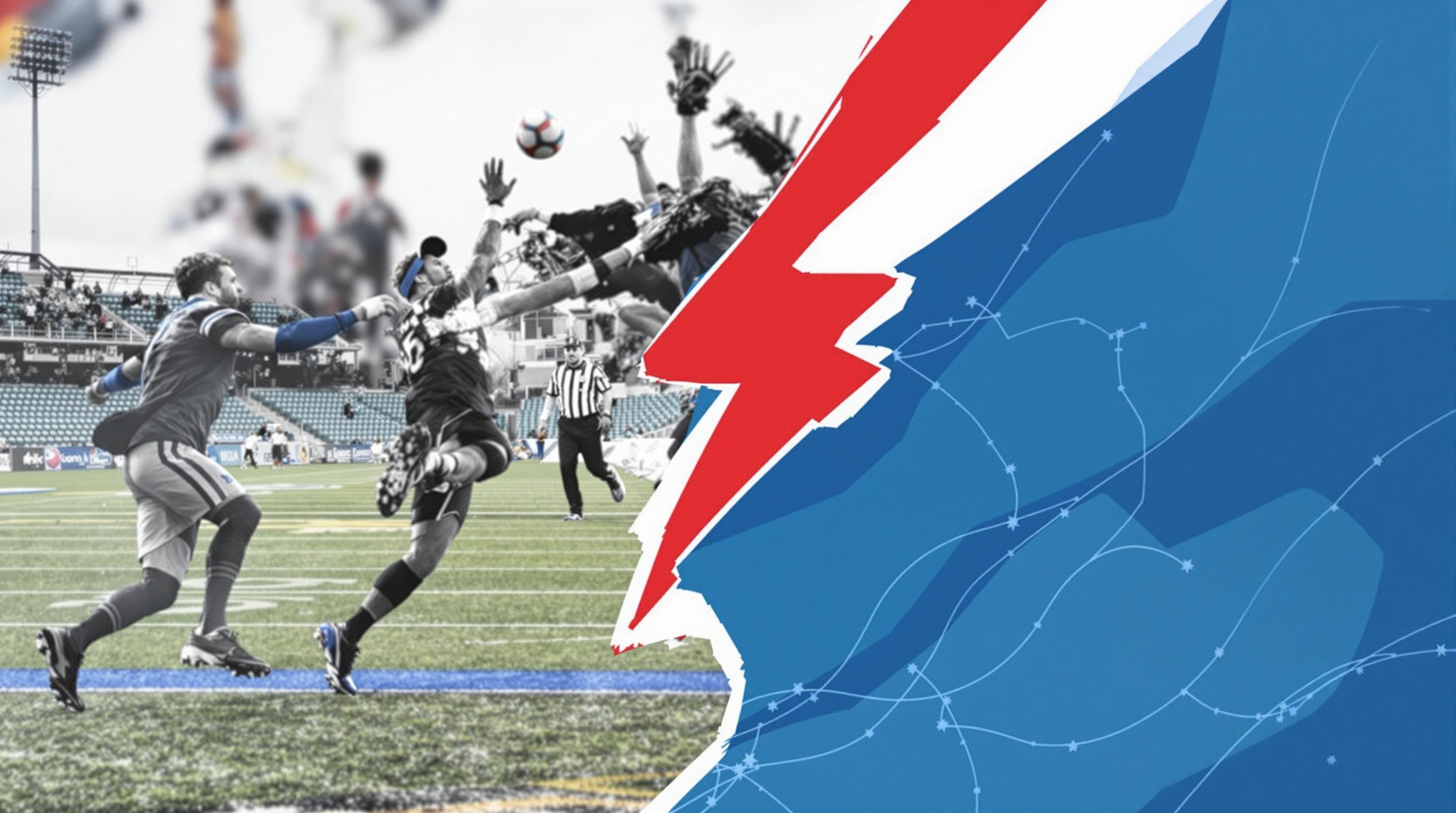
The rivalry in sports can be both a driving force and a devastating weight on an athlete's mental health and personal development. This article delves into the complexities of competitive relationships, highlighting personal narratives, statistics, and expert insights to understand their untold impact.
The Addiction of Competition
Ever tried to outrun your best friend in a race around the park? That exhilarating thrill of competition can feel more potent than a double shot of espresso. According to a survey by the American Psychological Association, over 50% of athletes reported feeling pressure to outperform their rivals (APA, 2022). This pressure can develop into an addiction, an insatiable need for validation that may harm more than help.
Feeling the Pressure
While competition can inspire greatness, it often comes with a dark underbelly. For many athletes, the pressure from rivals translates into intense anxiety and stress. This was strikingly highlighted in a study involving young gymnasts. Researchers found that those who experienced heightened rivalry reported higher levels of anxiety compared to their peers (Smith & Jones, 2021). The gymnasts expressed feeling they needed to constantly prove themselves, leading to burnout and exhaustion.
Case Study: The Story of Tom
Let's take a moment to look at Tom, a fictional high school runner whose life revolved around beating his rival, Jake. Throughout his junior year, Tom became obsessed with every little detail of Jake’s training and performance. This rivalry motivated him to wake up at 5 AM for practice, but it also consumed him. During one race, the pressure became so intense that he blanked out, finishing last. Tom's experience isn't unique; many athletes find themselves ensnared in toxic competition.
Sportsmanship vs. Toxic Rivalry
In the world of sports, it's crucial to differentiate between healthy competition and toxic rivalry. Sportsmanship involves respect for opponents and the spirit of the game. However, when rivalry evolves into a fervent obsession to outshine others, it can cultivate negative self-perception and mental health issues.
Humor in Rivalry
Let’s not forget the humorous side! Ever hear the joke about two athletes who come in last? They claim, “At least we beat the couch potatoes on the sidelines!” Jokes can ease tension, reminding athletes that their worth isn’t solely defined by competition. Studies indicate that laughter can ease anxiety, allowing athletes to cope with pressure better—reinforcing the idea that sports should also be fun (Johnson, 2023).
Statistics on Mental Health
Statistics show that mental health issues are rising among athletes. A 2020 study by the British Journal of Sports Medicine found that nearly 35% of elite athletes experienced symptoms of anxiety or depression, often intertwined with rivalry (Williams & Cavill, 2020). Despite being framed as high achievers, athletes are more vulnerable than ever, and the stakes for their mental well-being couldn’t be higher.
The Shadow of Social Media
As if rivalry wasn’t daunting enough, social media adds fuel to the fire. Athletes are constantly comparing themselves to not only their rivals but also countless influencers and pros online. It can feel like a never-ending marathon of expectations and judgments. Take Serena Williams, for instance—she often discusses how social media comments can affect her mental health (Williams, 2021). As if hearing thousands of voices arguing about your skills and personal life all at once isn’t chaotic enough!
A New Approach: Embracing Rivalry for Growth
But what if instead of succumbing to stress, athletes channeled their rivalry into personal development? Researchers suggest that a balanced perspective can help mitigate the adverse effects. For instance, sports psychologist Dr. Lila Reyes encourages athletes to look at rivals as sources of motivation rather than sources of pressure. “Rivalry can stimulate a sense of community if approached with the right mindset,” she says (Reyes, 2022). The key lies in focusing on self-improvement while enjoying the competition.
The Importance of Mental Health Resources
Athletes often overlook the significance of mental health resources due to stigma. Many believe seeking help makes them weak, yet studies have shown that mental health care can significantly enhance performance (Dawson & Ramirez, 2023). Getting professional help can provide athletes like Tom crucial tools to handle pressures stemming from rivalry, allowing them to cultivate resilience and focus.
Personal Development Amidst Rivalry
Rivalry, when approached correctly, can spur personal development. Embracing healthy competition encourages athletes to set goals and work hard, which can enhance discipline and perseverance. Michael Jordan, one of basketball’s greatest icons, famously credited his rivals with pushing him to his limits and helping him grow (Jordan, 2021). Rivals can serve as mirrors reflecting both strengths and weaknesses, enabling athletes to embark on a journey of continuous improvement.
Embracing Collaboration
Furthermore, collaborations and friendships with rivals can transform hostile competition into camaraderie. Think of it as two rams butting heads—eventually, they can share the same pasture and graze in harmony. A great example is Katy Ledecky and Simone Manuel, two swimmers who initially viewed each other as rivals but later formed a supportive relationship that enabled both to thrive (Ledecky & Manuel, 2022).
Shifting the Perspective
In the end, it's essential for athletes to shift their perspective on rivalry. Instead of letting it weigh heavily on their mental health, they can choose to view it as an opportunity for self-discovery and growth. As the renowned philosopher Hans Georg Gadamer said, “The truly great rivals are the ones who push each other to become better versions of themselves.”
Conclusion: The Choice is Yours
The intersection of rivalry and mental health presents a unique challenge for athletes of all ages. While competition can certainly drive individuals towards greatness, it can also inflict lasting psychological scars. By understanding the underlying dynamics and embracing a healthy mindset, athletes can navigate rivalry's complexities and foster personal growth. In the end, it’s not about winning or losing; it’s about how the journey shapes you. So, the next time you find yourself at the starting line, take a deep breath, smile at your rival, and remember that you hold the power to shape your own narrative.
Read More