Related Articles
- Sporting Rituals: The Curious Connections Between Athletic Events and Ancient Traditions of Worship and Community Bonding
- Game On: The Surprising Influence of Sports on Fashion Trends and Personal Identity in Youth Culture
- Rituals and Rites: How Competitive Sports Influence Cultural Practices in Spiritual and Indigenous Communities
- Sports as Social Glue: Examining the Bond Between Athletic Rivalries and Neighborhood Integration
- Spectacles of Strife: How Weather Patterns Disrupted Historic Sports Events and Changed Athletes' Fortunes
- Bizarre Beginnings: The Unwritten Rules of Quirky Sports and Their Role in Shaping Modern Athletics
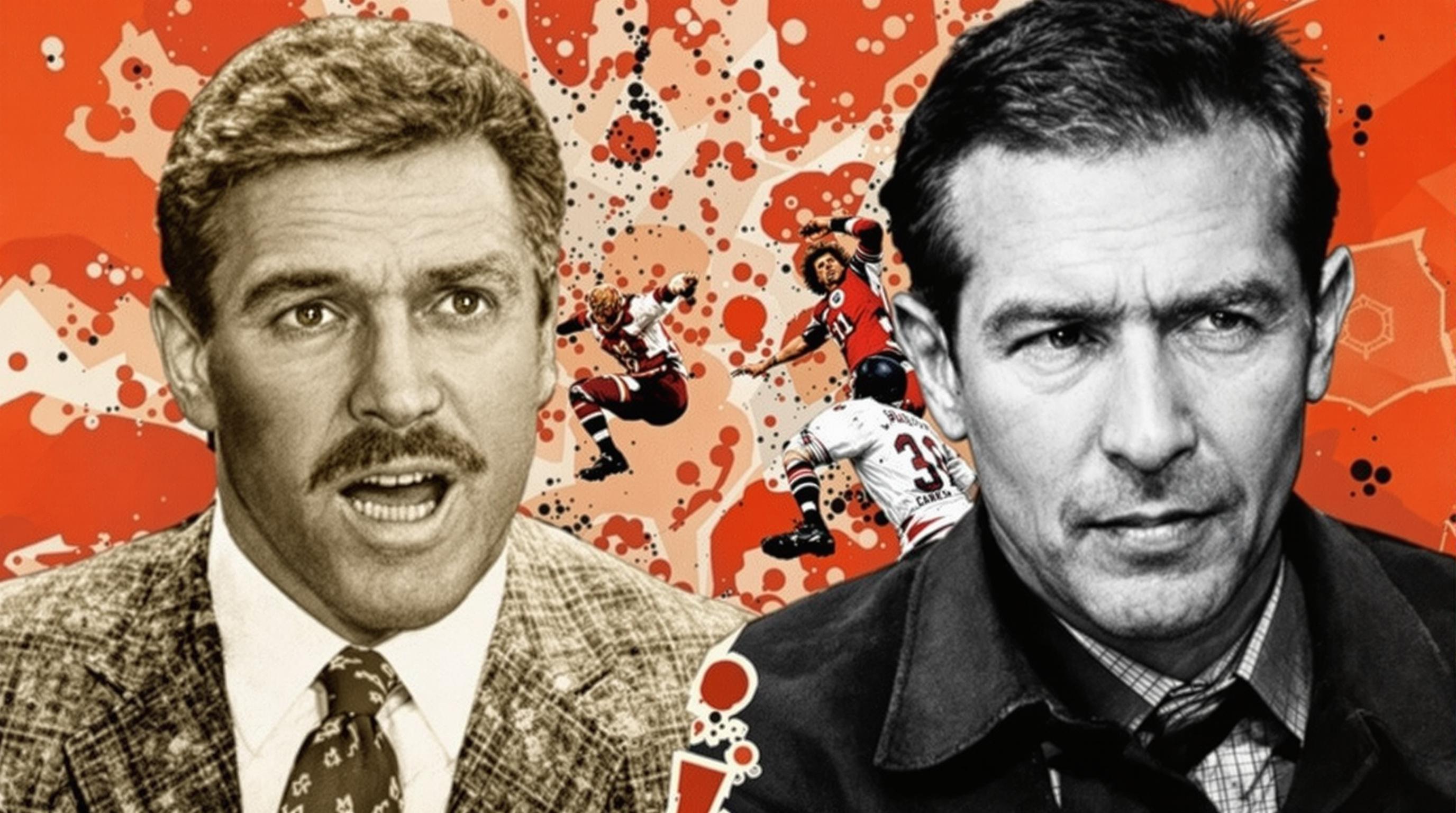
The Dark Side of Rivalry: Shocking Scandals and Controversies That Shaped Sports History
The Dark Side of Rivalry: Shocking Scandals and Controversies That Shaped Sports History
Rivalries in sports can fuel passion and enhance competition, but they can also spiral into shocking scandals and controversies that tarnish the spirit of the game. From doping scandals to incidents of violence, the darker aspects of sports rivalry have shaped history and left an indelible mark on the worlds of athletes and fans alike.
The Infamous "Malice at the Palace"
On November 19, 2004, a basketball game between the Indiana Pacers and the Detroit Pistons reached an unprecedented level of chaos that would forever be etched in sports history. What started as a typical rivalry night transformed into an all-out brawl, known as the "Malice at the Palace."
A fan threw a drink at Pacers player Ron Artest, who had laid on the scorer's table moments earlier. Irate, Artest charged into the stands, sparking a melee involving players and fans. The fallout? Artest received a lengthy suspension of 86 games, and several other players were also penalized. This incident exposed not just the players’ volatile emotions, but also highlighted a significant problem: the relationship between athletes and fans could quickly turn toxic.
The Cost of Glory: Doping Scandals
Doping in sports has become a common narrative over the last few decades, with the use of performance-enhancing drugs threatening the integrity of competition. One particularly notable case is that of Lance Armstrong, who was stripped of his seven Tour de France titles after it was revealed that he had engaged in an elaborate doping scheme for years. Armstrong's fall from grace serves as a cautionary tale about ambition, deception, and the dark side of rivalry in professional sports.
Statistics show that around 0.5% of athletes in competitive sports admit to using performance-enhancing drugs, though actual numbers are likely much higher as many choose to keep it a secret (Papadopoulos, 2021). Armstrong’s scandal was not just his alone; it brought into question the ethics of the entire cycling industry.
Fighting for the Flag: The 1968 Olympics Protest
At the 1968 Olympics, American sprinters Tommie Smith and John Carlos became symbols of resistance when they raised their fists in a Black Power salute during the medal ceremony for the 200 meters sprint. Their protest highlighted the glaring inequalities faced by African Americans and catalyzed a global conversation on civil rights.
The intensity surrounding their actions drew immense controversy, leading to their expulsion from the Games. As a result, Smith and Carlos faced a barrage of criticism and personal attacks, showing how the realm of sports can intersect painfully with socio-political issues. This event drove home the point that rivalries can extend beyond the fields of play, touching the very essence of humanity.
The Role of Media in Sparking Rivalries
It's easy to chalk up rivalries as simply competitive spirit, but the role of media in fanning the flames cannot be underestimated. The press often sensationalizes rivalries, using catchphrases like “the greatest rivalry in sports” to lure audiences, thus propelling athletes into a pressure cooker of expectations and animosity.
Tennis fans can recall the infamous rivalry between Roger Federer and Rafael Nadal, which was both celebrated and scrutinized through media lenses. In the quest for compelling narratives, media outlets often spin stories that heighten tensions—sometimes with disastrous results.
A Comedic Turn: The "Battle of the Sexes"
It is hard to talk about athletic rivalries without mentioning the iconic "Battle of the Sexes," the 1973 exhibition match between tennis champion Billie Jean King and self-proclaimed male chauvinist Bobby Riggs. For a light-hearted take on a serious topic, Riggs offered a healthy dose of bravado as he claimed that women's tennis was inferior to men's.
When King ultimately triumphed in this much-anticipated match, it normalized the idea of women competing in high-stakes environments and showcased the absurdity of gender bias in sports. As King herself noted post-match, “I beat Bobby Riggs, but I also beat a lot of stereotypes.” This rivalry not only entertained but also struck a blow against systemic inequality.
The Tragedy of Hillsborough
In perhaps one of the most catastrophic events in sports history, the Hillsborough disaster took place on April 15, 1989, when 96 Liverpool F.C. fans lost their lives during a match against Nottingham Forest. The tragedy shed light on rivalry culture in football (soccer), where fan passion sometimes leads to disastrous consequences.
The incident, which arose from crowd mismanagement and safety failures at the stadium, ignited long-lasting debates about fan safety and policing in sports. Investigations that followed revealed a shocking cover-up, emphasizing how the darker sides of sports rivalry could lead to devastating human cost.
A Culinary Conundrum: Racial Tensions in the MLB
At the other end of the spectrum, the rivalry between the Boston Red Sox and the New York Yankees witnessed a notorious incident of racial discrimination that spotlighted a broader societal issue. In 1973, an altercation during a game exploded into a brawl leaving behind not just bruised egos but also an ironic question: in the name of competition, where does respect fit?
The Red Sox were infamous for their "lack of Black players," which became a source of embarrassment in the racially-charged atmosphere of the time. One might ask, “What’s the link between sports rivalry and race?” The answer lies in how rivalries can inadvertently act as a mirror, reflecting societal prejudices and igniting cultural discussions that extend far beyond the field.
Statistics Don’t Lie: The Allure of Betting
With rivalry often comes a temptation for gambling and illicit activities. According to recent statistics, sports betting alone is a multi-billion dollar industry projected to surpass $150 billion globally (Statista, 2023). The darker aspects of rivalry manifest most distinctly in situations where the stakes—the players, the fans, and even the officials—succumb to corruption.
The scandals surrounding FIFA and its ongoing allegations of match-fixing are prime examples. The World Cup, which should symbolize unity and competition, has had its credibility questioned due to manipulations that arise from intense rivalries among national teams and clubs. Bet against a rival? There's no telling just how dark the murky waters of competition can get.
The Downfall of a Legend: The Ryan Leaf Saga
In the world of American football, few names resonate with failure quite like Ryan Leaf. Once considered the heir apparent to the legendary Peyton Manning, Leaf's fall from grace was tied closely to his competitive nature, frustrations, and ultimately, addiction. His rivalry with Manning wasn’t just a battle on the field; it became a media frenzy that led to the eventual flaying of his legacy.
Leaf faced both public scrutiny and personal demons, culminating in arrests and struggles with addiction. The lesson here? Rivalries—while they instill the ambition to excel—can also lead players to dark places when handled poorly.
The Future: Learning from the Dark Side
As sports continue to evolve, it’s crucial to take the lessons learned from these darker chapters to foster an environment that prioritizes integrity and equality. Education on sportsmanship and creating safe spaces for discussion could play pivotal roles in mitigating the tensions that often accompany rivalries. After all, healthy competition should uplift rather than tear down.
In conclusion, the dark side of rivalry is not just a tale to be told; it's a history that we've lived through and must learn from. From doping and violence to media manipulation and socio-political controversies, these events remind us that even within the thrill of competition, there exists a need for responsibility, respect, and systemic reform. As we celebrate sports, may we also champion the integrity that upholds them.
Read More