Related Articles
- Sporting Rituals: The Curious Connections Between Athletic Events and Ancient Traditions of Worship and Community Bonding
- Game On: The Surprising Influence of Sports on Fashion Trends and Personal Identity in Youth Culture
- Rituals and Rites: How Competitive Sports Influence Cultural Practices in Spiritual and Indigenous Communities
- Sports as Social Glue: Examining the Bond Between Athletic Rivalries and Neighborhood Integration
- Spectacles of Strife: How Weather Patterns Disrupted Historic Sports Events and Changed Athletes' Fortunes
- Bizarre Beginnings: The Unwritten Rules of Quirky Sports and Their Role in Shaping Modern Athletics
The Role of Media Narratives in Shaping Perceptions of Iconic Sports Fights
The Role of Media Narratives in Shaping Perceptions of Iconic Sports Fights
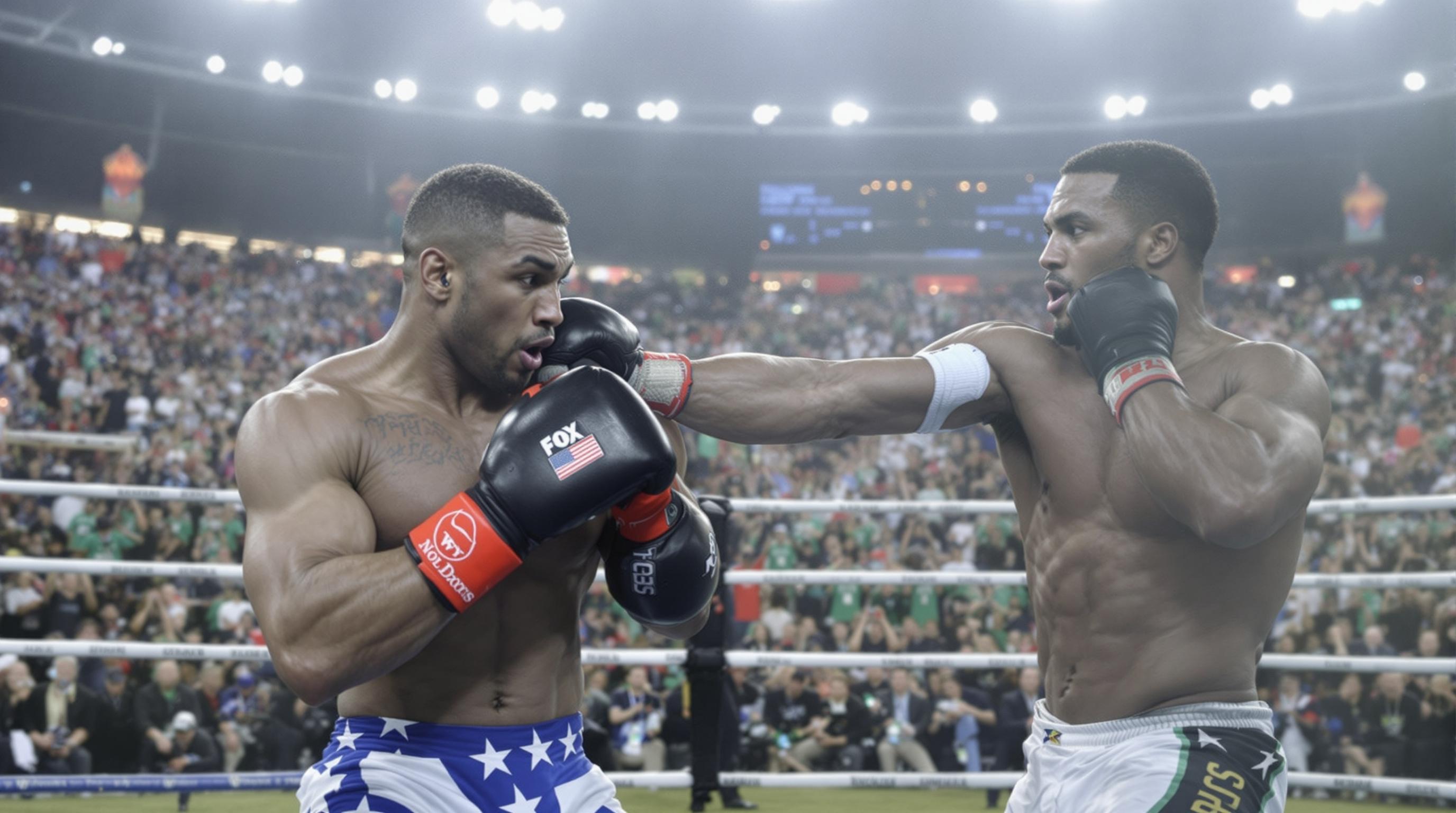
The role of media narratives in shaping perceptions of iconic sports fights is crucial, as these narratives not only frame the events but also influence audience emotions and understanding. Through a blend of storytelling, interviews, statistics, and vivid imagery, media creates a compelling context for these battles, deeply embedding them in cultural memories.
Understanding the Power of Narrative
Media narratives serve as lenses through which we, as fans, interpret the emotions, motivations, and conflicts inherent in sports fights. According to a study by the Pew Research Center, over 70% of sports fans believe that media reports greatly influence their opinions on athletes (Pew Research Center, 2019). This statistic underscores how powerful narratives can extend beyond the sports arena, affecting brand endorsements, athlete legacies, and even public sentiments.
The Boxing Match that Changed Everything
Let’s rewind to the legendary 1974 bout between Muhammad Ali and George Foreman, known as the "Rumble in the Jungle." The fight didn’t just determine the heavyweight champion; it transformed how narratives could shape fight perceptions. Ali, the underdog, utilized clever media management, portraying himself not only as a boxer but as a cultural icon standing against odds far greater than just a heavyweight title.
Promoters hired media strategists to create narratives that depicted Ali's struggle against Foreman's brute force as a metaphor for broader social issues, including race and class struggles in America. This allowed him to transcend the boxing ring, turning the fight into a global event, appealing to audiences from diverse backgrounds.
Statistical Narratives: Boxing vs. MMA
In the years following the Rumble, mixed martial arts (MMA) emerged with its own narrative flair. Research shows that MMA fights generate about 3.8 million Google searches on average following a high-profile event (Google Trends, 2021). The dramatic storytelling surrounding fighters like Conor McGregor illustrates the effectiveness of media narratives, often engaging fans far beyond their fight statistics.
McGregor's rise was fueled by not just his fighting prowess but also by the carefully crafted narratives he generated through social media and traditional media interviews. The blend of showmanship and authenticity captivated a younger generation, showcasing how modern media plays a vital role in shaping perceptions. In a way, he is the poster child for the potential of narrative in sports today.
Casual Conversations and Cultural Context
For many die-hard sports fans, casual conversations about iconic fights often lean into specific narratives. “Do you remember the way they hyped up that McGregor vs. Khabib fight?” This casual questioning taps into the heart of how narratives can become part of everyday vernacular—inviting personal reflections while shaping future generations’ understanding of the fights themselves.
For example, after the McGregor-Khabib fight in 2018, mainstream media picked up on the personal rivalry between the two fighters, portraying it as a clash of cultures and values. This narrative has led to intense discussions in schools, homes, and within social media circles, echoing long after the fight concluded. Personal testimonies often repeat and solidify these narratives, creating a collective consciousness surrounding each event.
Narrative Techniques: From Glamour to Grit
Media doesn’t just present stories; it crafts them through a variety of techniques. For instance, slow-motion replays of key moments, dramatic commentary, and personal backstories of fighters can evoke an emotional response. Think about the Rumble in the Jungle: with a backdrop of political tension and a society grappling with change, Ali's victory had implications that stretched far beyond the fight itself.
This emotional engagement often prompts fans to invest not just in the fights but in the athletes’ lives, fostering a sense of community among viewers. These narratives are significant for the marketing strategies surrounding fights—sponsors, merchandise, and ticket sales all thrive on the power of story. A fight is no longer just a competition; it becomes a saga that fans support and discuss for years, if not decades.
Example: The Legacy of Diego Maradona
As we move from boxing to football (or soccer, depending on your region), we can see a strong correlation between media narratives and an athlete's legacy. The late Diego Maradona, often called one of the greatest football players ever, had a career marked by stunning triumphs and dramatic failures. The media crafted narratives around his “Hand of God” goal during the 1986 World Cup, underlining how one moment could encapsulate an athlete's entire career, seen as both divine and controversial.
Case Study: Ronda Rousey
Ronda Rousey’s entrance into the UFC brought a fresh narrative into a traditionally male-dominated sport. As the first female fighter to be inducted into the UFC Hall of Fame, her rise showcased narratives of empowerment and defiance. Media outlets plastered headlines promoting her as a symbol of change, often pairing her fierce fighting style with her off-the-mat persona. However, the narrative shifted dramatically following her knockout loss to Holly Holm in 2015, showing how quickly media can pivot when an athlete’s story takes an unexpected turn.
The Sweet Science Meets Entertainment
Boxing’s nickname, “the sweet science,” has often been portrayed by media as a complex interplay of strategy, skill, and improvisation. The clash of iconic fighters has been framed in various tones depending on the stakes involved. In 1996, when Mike Tyson faced Evander Holyfield, the media coverage glamorized Tyson's power and Holyfield’s determination, turning what would be a sporting event into a titanic clash of moral and physical virtues.
Following the infamous ear-biting incident in their rematch, narratives took a sensationalist turn, focusing on Tyson’s psychological instability against the backdrop of Holyfield’s “David vs. Goliath” resilience. This narrative transformation not only shaped public perception but also left a lasting mark on the sport’s image, inviting debates about ethics in sports.
The Impact of Social Media
Gone are the days when narratives existed solely in newspapers or on television; social media has revolutionized how these narratives are shared and engaged with. During the highly publicized Mayweather vs. Pacquiao fight in 2015, social media exploded with hashtags, memes, and real-time commentary. The digital space allowed narratives to evolve on the fly, often with fans’ perspectives influencing how stories were shaped, shared, and remembered.
As Twitter feeds overflowed with opinions, the fight itself became a cultural phenomenon that transcended sport. A report indicated that the fight generated approximately 6 million pay-per-view purchases, making it one of the most lucrative fights in history (Statista, 2015). The narratives were not limited to the performance in the ring; they extended to debates about marketability, legacy, and what it means to be a champion.
Conclusion: More Than Just Fights
In conclusion, media narratives are not just embellishments but fundamental components that shape how we perceive iconic sports fights. While statistics, interviews, and analyses contribute to our understanding, it is the stories that resonate with our emotions, be it through triumph or tragedy. As we look ahead, the role media plays will likely continue to evolve alongside sports, developing new narratives that align with changing cultural values and technological advancements. It is this powerful blend of storytelling that ultimately enriches our connection to the world of sports, making every great fight more than just a contest—it's part of a larger narrative that transcends generations.
Read More