Related Articles
- Sporting Rituals: The Curious Connections Between Athletic Events and Ancient Traditions of Worship and Community Bonding
- Game On: The Surprising Influence of Sports on Fashion Trends and Personal Identity in Youth Culture
- Rituals and Rites: How Competitive Sports Influence Cultural Practices in Spiritual and Indigenous Communities
- Sports as Social Glue: Examining the Bond Between Athletic Rivalries and Neighborhood Integration
- Spectacles of Strife: How Weather Patterns Disrupted Historic Sports Events and Changed Athletes' Fortunes
- Bizarre Beginnings: The Unwritten Rules of Quirky Sports and Their Role in Shaping Modern Athletics
Behind the Scenes: The Unwritten Rules and Tactical Mind Games in Classic Sports Feuds
Behind the Scenes: The Unwritten Rules and Tactical Mind Games in Classic Sports Feuds
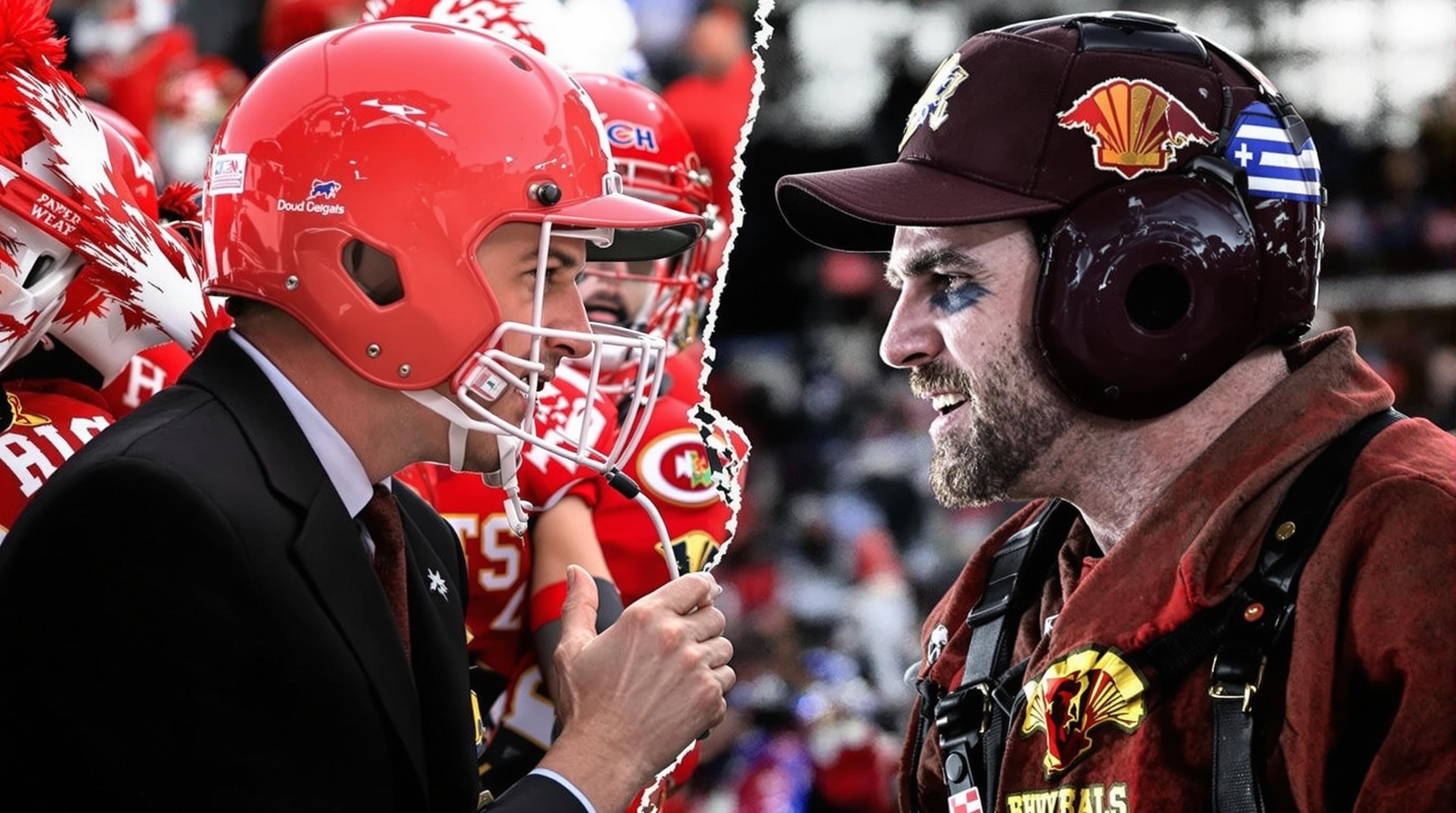
Behind the fierce competition in classic sports feuds lies a world of unwritten rules and tactical mind games, often more influential than the games themselves. This article delves into the psychological intricacies of renowned sports rivalries, using examples, statistics, and compelling narratives to paint a vivid picture.
The Nature of Rivalry
Have you ever felt the thrill of a good old-fashioned sports rivalry? The kind that sends shivers down your spine and makes the heart race? Whether you’re a fan or a player, rivalries bring a unique blend of emotions that make sports an exhilarating experience.
At their core, sports rivalries are rooted in competition and pride. The dynamics of such rivalries can often boil down to intricate mind games—tactics employed by athletes and coaches designed to gain a psychological edge over their opponents. Think of classic matchups like the Boston Red Sox versus the New York Yankees or the heated clashes between the University of Alabama and Auburn University; these rivalries are steeped in history and emotion, but they also demonstrate intricate psychological plays.
Every sport has its unwritten rules, and they often vary between matchups. For instance, in soccer, it’s considered poor form to celebrate a goal in front of the opposing team's fans. Understanding these unspoken norms can be the difference between a respectful defeat and a fiery altercation. Players must navigate this minefield of etiquette while keeping their competitive spirit intact.
Statistically, games that are played within the context of a rivalry show an increase in intensity. According to a study from the Journal of Sports Behavior, rival games have been proven to exhibit roughly 20% more fouls and higher penalties compared to non-rival games. This statistic reflects how tensions escalate, showcasing the importance of these unwritten rules. And what about the mental strain this causes? A classic example is that of Arsenal and Tottenham Hotspur; match days often see players pushed to their limits, both physically and mentally.
The Psychological Warfare
Psychological tactics often come into play before a match even begins. Coaches might decide to use "bulletin board material," a term that refers to intentionally making comments to bait the opposing team. This tactic aims to both motivate their side and create doubt within the opponent's mind. Legendary football coach Bill Belichick of the New England Patriots has famously utilized this strategy over the years, often downplaying his team's strengths while publicly praising the opponent, thus planting seeds of insecurity.
A favorite moment in this psychological war was during the 2007 Super Bowl, when the Patriots were labeled as "the greatest team of all time" after going undefeated in the regular season. New York Giants head coach Tom Coughlin used this perception against them by reminding his team of the Boston team’s perceived invincibility, turning it into a motivational rallying cry.
Stirring Up Emotions: A Case Study of the Red Sox and Yankees
The rivalry between the Boston Red Sox and New York Yankees transcends baseball; it's a blend of geography, history, and culture. This feud dates back to the early 20th century and has been marked by intricate mind games, including player trades and media manipulations. Most notably, the sale of Babe Ruth to the Yankees in 1919, often dubbed "The Curse of the Bambino," created decades of animosity.
The psychological toll this rivalry takes is immense. Fans, players, and coaches deal with heightened expectations, where a single loss can feel like a personal failure. In fact, a survey conducted by the Boston Globe showed that more than 70% of Red Sox fans felt that losing to the Yankees was "the worst feeling in the world," indicating just how deep-rooted the emotions involved in the rivalry are.
A Playoff Colonoscopy: The 2004 ALCS
Ah, 2004. A year of magic for Red Sox fans and nightmares for Yankees supporters. The American League Championship Series saw Boston coming back from a 0-3 deficit to win the series—unprecedented in MLB history. Talk about psychological warfare! Here, the Red Sox employed mind games to rebuild their confidence. Their mantra became "Why not us?" as they flipped the narrative from being underdogs to believing in their potential.
The Role of Fans
No sports feud would be complete without mentioning the fans. In many cases, the passion from the fan bases can stoke the fires of rivalry to a point where it’s almost a living entity. For example, in the soccer rivalry known as the "North West Derby" between Liverpool and Manchester United, the atmosphere can be electric, often leading to confrontations not just on the pitch but in the stands, where taunts and chants create an environment thick with tension.
Humor, however, punctuates some of these rivalries. An example is the light-hearted pokes fans take at each other. During the 2018 Super Bowl, some Philadelphia Eagles fans famously trolled New Englanders by wearing shirts that said “Eagles: 1, Patriots: 0” in reference to their first Super Bowl win. These moments of levity help maintain the rivalry's spirit while reminding everyone that at the end of the day, it’s just a game.
Strategies to Stay Mentally Tough
In the midst of athletic competition, mental strength is critical. Players have to cultivate techniques to maintain focus despite the swirling negativity from rival fans or the pressure created by the rivalry itself. A fantastic case study is Michael Jordan, who thrived under pressure and often turned perceived slights into motivation. Jordan famously used to create imaginary negative narratives about his opponents to fuel his performance. This tactic is an excellent example of how athletes can transform psychological warfare into victory.
The Importance of Team Chemistry
While mind games and psychological tactics play a crucial role in sports rivalries, nothing can be more powerful than the chemistry among teammates. Sports psychologist Dr. Jim Afremow emphasizes that when team members support one another emotionally, it boosts collective confidence, essential in high-stakes rivalries. Trust in each other can lead to exceptional performances under pressure, a sentiment echoed by the Chicago Bulls during their six championship runs in the 1990s. Teamwork can calm the storm created by rivalry, often leading to triumph when it matters most.
Embrace the Drama
As an avid sports fan myself (I’m only 19, but hear me out!), I’ve learned something essential: embrace the drama. The thrill of a nail-biting finish, the satisfaction of a well-timed comeback, and the agony of defeat; these are the moments that shape our love for sports. Every great rivalry offers us stories that transcend sheer athletic prowess. It's all about the heart, the tension, and the stories woven into the fabric of the game; in some cases, it is as much about the battles off the field as it is about the ones on it.
Conclusion: The Final Whistle
In conclusion, the unwritten rules and tactical mind games characterizing classic sports feuds reveal a rich tapestry of cultures, emotions, and strategies hidden behind athletic competition. The intricate dynamics present in these rivalries shape not just the playing field but the lives of everyone involved—from the players to the fans. Whether you are a teenager experiencing your first rivalry or a seasoned fan reminiscing about the classics, it's vital to recognize the impact such feuds have on sports and society. Embrace the energy, relish the rivalry, and remember: it’s not just about winning or losing; it’s about the stories we create along the way and the unforgettable memories etched in sports history. Happy watching!
Read More