Related Articles
- Sporting Rituals: The Curious Connections Between Athletic Events and Ancient Traditions of Worship and Community Bonding
- Game On: The Surprising Influence of Sports on Fashion Trends and Personal Identity in Youth Culture
- Rituals and Rites: How Competitive Sports Influence Cultural Practices in Spiritual and Indigenous Communities
- Sports as Social Glue: Examining the Bond Between Athletic Rivalries and Neighborhood Integration
- Spectacles of Strife: How Weather Patterns Disrupted Historic Sports Events and Changed Athletes' Fortunes
- Bizarre Beginnings: The Unwritten Rules of Quirky Sports and Their Role in Shaping Modern Athletics
The Untold Legacy: How Athlete Philanthropy is Shaping Future Generations and Leaving Lasting Imprints
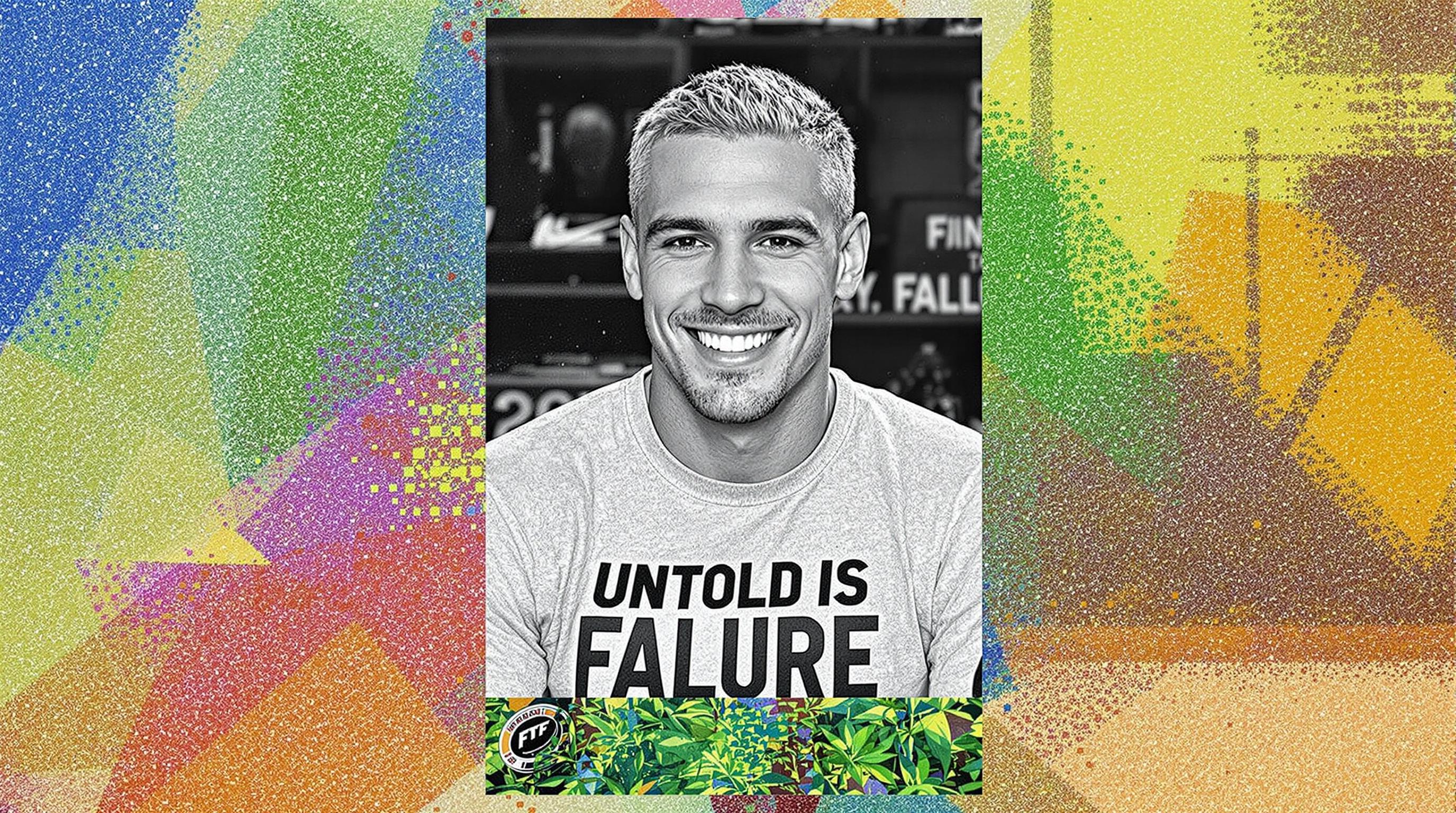
The Untold Legacy: How Athlete Philanthropy is Shaping Future Generations and Leaving Lasting Imprints
The impact of athlete philanthropy extends far beyond the limelight of the sports arena, shaping communities and inspiring future generations through various charitable initiatives and personal engagements. As we explore this untold legacy, we uncover stories of remarkable athletes who have channeled their fame into meaningful endeavors, creating ripples of positive change that transcend their sports careers.
A Legacy Built on Giving Back
When we think of athletes, we often envision incredible performances, records broken, and championships won. However, a growing number of athletes are using their platforms to give back to society, making philanthropy an integral part of their legacies. The likes of LeBron James and Serena Williams have not only excelled in their respective sports but have also set a standard for what it means to use fame for the greater good.
Statistics that Speak Volumes
Did you know that according to a 2020 study conducted by the Women's Sports Foundation, 65% of female athletes engage in philanthropic efforts? This is a remarkable statistic, especially considering the challenges women face in sports. While one might think that athletes are solely focused on their sports careers, they are proving to be dynamic role models, leveraging their skills and visibility to foster change and make a difference.
The Power of Personal Stories
Take the case of former NFL player Walter Payton; his commitment to humanitarian work was reflected in the Payton Foundation, which he established with the aim of addressing the needs of ill and underprivileged children. Payton's motto, "We are all human, and we all have different needs," showcases how personal experiences can shape philanthropic missions. The aftermath of his passing in 1999 not only revealed his extensive charitable contributions but also inspired countless athletes to follow suit.
Changing Lives Through Education
Education is a common focal point for athletes looking to make a significant impact. Take, for instance, the LeBron James Family Foundation's "I PROMISE School," which provides support to at-risk children in Akron, Ohio. By emphasizing education, LeBron is not just creating immediate opportunities but is also investing in the future of aspiring young athletes and scholars alike. In 2021, the foundation reported that 100% of its inaugural class graduated high school—a telling example of how focused investment can dramatically change outcomes.
From Charitable Foundations to Community Engagement
Of course, philanthropy isn't always about founding a multi-million dollar organization. Athletes like New Orleans Pelicans forward Zion Williamson have made headlines for their spontaneous acts of generosity, such as buying groceries for families in need during the pandemic. This kind of grassroots engagement often resonates more deeply with communities than grand gestures, revealing that it’s not about how much you give, but how you give it.
Humor as a Tool for Change
Interestingly, humor can also play a vital role in philanthropy. Comedian and former NFL player Chris Carter famously said, “I get to play a game for a living, but my greatest joy is giving back.” His light-hearted approach to philanthropy bridges the gap between sports and community outreach, helping to engage younger demographics who might otherwise overlook serious issues. This amusing perspective on a vital subject makes for an engaging conversation starter in what can often be heavy discussions.
The Ripple Effect
The notion that "each one teach one" embodies the athlete-to-community relationship fosters a ripple effect. When an athlete like Kevin Durant donates to local schools to bolster their arts programs, it prompts others within the sports community to search for their niches in philanthropy. The term "pay it forward" encapsulates this sentiment, where acts of kindness inspire a chain reaction of generosity, creating an ecosystem of support.
Changing the Narrative
While most sports narratives focus on wins and losses, athlete philanthropy is rewriting that script. By sharing their stories of giving back, these athletes are changing perceptions regarding their roles in society. A study by the National Philanthropic Trust found that charitable organizations led by athletes succeeded at raising more funds than traditional charity events, emphasizing that fans are more likely to engage when familiar figures are involved.
Challenges They Face
Nevertheless, with fame comes scrutiny. Some critics argue that athletes can sometimes be out of touch with the realities civilians face. However, many utilize this scrutiny as a catalyst for change, working to understand the issues their communities face thoroughly before initiating new projects. For example, Tom Brady has faced backlash over his privileged upbringing, but has continued to support causes such as health and wellness initiatives, showing that authentic engagement comes from understanding both sides of the coin.
Legacy Beyond Sports
As we ponder the legacy of an athlete, it’s essential to recognize that their influence stretches beyond sports. In fact, philanthropic engagement can redefine what it means to win. Winning medals may grant temporary accolades, but the lasting impact of giving back creates a demeanor of respect that resonates far longer. Athletes who focus on philanthropy build an ethos that leads to inspiring the next generation both on and off the field.
Community Success Stories
The potential for community impact is enormous when athletes step in to facilitate change. One such heartwarming story is that of professional soccer player Megan Rapinoe, who not only advocates for gender equality but actively engages in various initiatives that promote health and wellness. Her active role in the environment is reflected in her work with organizations like Equality Federation, which helps promote civil rights laws across the U.S.
Encouraging Young Philanthropists
The influence of philanthropic athletes is particularly pronounced among young fans. A 2021 survey by the Harvard Youth Poll found that 79% of young people felt inspired by their favorite athletes to help their communities. This speaks volumes about the positive impact athletes can have; through their actions, they ignite a passion for social responsibility among youth, molding them into active participants in societal change.
Conclusion: A Call to Action
In conclusion, athlete philanthropy is not just about monetary contributions; it's about creating a movement of change and inspiring future generations. Each act of kindness, each initiative aimed at lifting others, fosters hope and resilience in communities worldwide. It's a legacy that will undoubtedly shape countless individuals for years to come, and the question remains: what legacy will you choose to leave behind?
Final Thoughts
As a 25-year-old writing about this subject, I can tell you that there is a palpable sense of responsibility among today’s athletes. They understand the power of their platforms and choose to amplify their impact beyond their sport. When you root for your favorite team or player, remember that their legacy may ultimately not just be about rings and trophies, but about shaping a better world for generations to come.