Related Articles
- Sporting Rituals: The Curious Connections Between Athletic Events and Ancient Traditions of Worship and Community Bonding
- Game On: The Surprising Influence of Sports on Fashion Trends and Personal Identity in Youth Culture
- Rituals and Rites: How Competitive Sports Influence Cultural Practices in Spiritual and Indigenous Communities
- Sports as Social Glue: Examining the Bond Between Athletic Rivalries and Neighborhood Integration
- Spectacles of Strife: How Weather Patterns Disrupted Historic Sports Events and Changed Athletes' Fortunes
- Bizarre Beginnings: The Unwritten Rules of Quirky Sports and Their Role in Shaping Modern Athletics
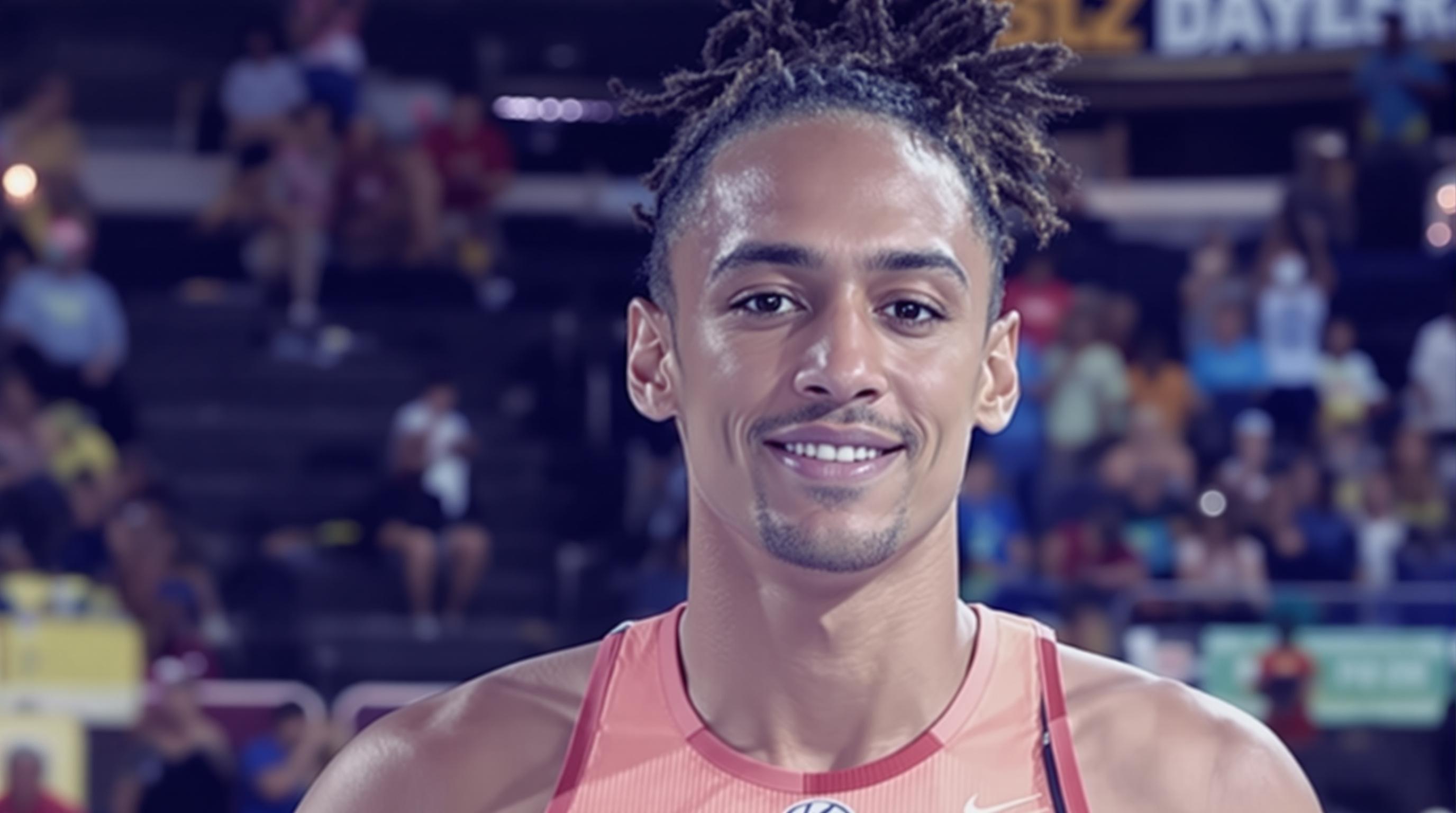
Beyond the Spotlight: How Athletes Use Personal Struggles to Inspire Generations Globally
Beyond the Spotlight: How Athletes Use Personal Struggles to Inspire Generations Globally
In a world that often places athletes on pedestals, their personal struggles can illuminate the human experience, creating a profound connection with fans. From mental health challenges to overcoming adversity, these stories inspire generations and spark conversations that extend far beyond the playing field.
Understanding the Role of Athletes in Society
Athletes are often celebrated for their physical prowess and achievements, but it's easy to forget they are also human, grappling with challenges just like everyone else. This unvarnished truth is what makes their stories resonate: a young person struggling with self-esteem might find solace in the narrative of an athlete who battled similar feelings before triumphing. The reality is 1 in 5 adults experience mental illness in a given year (National Alliance on Mental Illness), suggesting that these athletes are not just entertainers but powerful ambassadors of hope.
Case Study: Michael Phelps - The Weight of Gold
Michael Phelps, the most decorated Olympian of all time, stands out not only for his unparalleled athletic achievements but also for his candid discussions about mental health. After his massive success, he faced depression and anxiety, and, in a touching interview, he admitted, “I’m still learning how to cope.” Phelps broke the stigma surrounding mental health in sports, proving that vulnerability can be a strength. His openness has paved the way for younger athletes to feel comfortable discussing their struggles, allowing them to navigate their professional and personal lives more effectively.
A Casual Encounter: Inspiration at a Café
Imagine sitting in a café, sipping your latte, when you overhear a conversation about an athlete. “Did you hear about that soccer player who collapsed on the pitch?” one person says. Turns out, she battled an eating disorder, and her story of recovery became a rallying point for young athletes everywhere. This casual encounter signifies that these stories are not just headline news; they permeate everyday conversations, affecting people at all levels.
Statistics of Change
Did you know that around 77% of athletes experience anxiety or depression related to their performance, according to a study by the International Journal of Sports Psychology? These staggering numbers shed light on the hidden battles faced by many top-tier performers. The reality is that mental health issues are prevalent even in the seemingly glamorous lives of professional athletes. When athletes share these truths, they create a global dialogue on mental health, fostering awareness and understanding—and that’s something to applaud!
The Impact of Social Media
With the rise of social media, athletes can share their journeys with unprecedented transparency. Platforms like Instagram and Twitter allow them to connect directly with their fans, creating communities that champion mental health awareness. Athletes such as Naomi Osaka have taken this opportunity to speak candidly about the pressures they face, which resonates with millions of young fans worldwide. Osaka’s withdrawal from the French Open to prioritize her mental well-being sparked a global conversation about mental health, inspiring young athletes to put their health first.
Humor: Laughing Through the Pain
It might sound counterintuitive, but humor can also be a coping mechanism for athletes. Consider the case of Shaquille O'Neal, who often jokes about his own shortcomings on and off the court. “I’m not just a big man, I’m a big deal,” he quipped during an interview, making light of his fame while touching on the awkwardness he sometimes feels in social situations. Humor allows athletes to connect with their audience on a human level, fostering a sense of solidarity.
Inspiration Through Stories of Resilience
Every athlete has a journey marked by obstacles. Take Serena Williams, for instance. Williams faced numerous struggles, including injuries and a life-threatening complication during childbirth. Rather than hiding these struggles, she spoke out about her experiences in a powerful essay for Vogue, addressing not only her own challenges but also broader issues such as racial and gender disparities in healthcare. This willingness to share her narrative made waves, demonstrating that resilience can inspire and ignite change.
The Ripple Effect: Inspiring Future Generations
One athlete’s story can inspire countless others, creating a ripple effect that reaches across the globe. When athletes speak up about their challenges, they empower fans to confront their struggles. For young athletes especially, being able to relate to their idols humanizes them, making the journey seem more attainable. In many cases, overcoming adversity becomes a shared experience that galvanizes an entire generation.”
Connecting Through Empathy
Empathy is a fundamental element when it comes to these personal stories. They serve as a reminder that everyone experiences failure, doubt, and pain, regardless of their public persona. LeBron James, for example, leverages his platform to shine a light on social issues, helping fans understand the depth of adversity in the lives of those they admire. His “I Promise” School in Akron, Ohio, serves as a testament to his commitment to empower children and make a lasting impact. His campaigns are not just about basketball; they show that athletes care about society and want to inspire change.
Call to Action: What Can We Learn?
As we digest these narratives, we must ask ourselves: how can we support the athletes that inspire us? Engaging in conversations around mental health, advocating for athletes to use their platforms wisely, and recognizing the struggles they face are important ways to show support. We can advocate for change in societal views on mental health and the pressure athletes face. By doing so, we contribute to a culture where vulnerability is not weakness but an integral part of the human experience.
The Journey is Ongoing
The dialogue initiated by these athletes is far from finished. As more athletes step forward and share their stories, the global conversation about mental health and personal struggle will only grow stronger. Whether it’s through social media platforms or interviews, athletes have the ability to inspire generations. This ongoing journey not only redefines what it means to be a “role model” but also emphasizes that, beyond skill and talent, the biggest impact can come from sharing one’s most intimate battles.
Conclusion: More Than Just Sports
Ultimately, the stories of athletes transcending personal struggles remind us that life is about more than athletic achievements. It’s about the connections we forge, the empathy we cultivate, and the resilience we embody. Every time an athlete shares their journey, they invest in a brighter future where understanding mental health becomes a priority. So the next time you watch a game, remember—beyond the spotlight, these athletes are inspiring future generations one story at a time.