Related Articles
- Sporting Rituals: The Curious Connections Between Athletic Events and Ancient Traditions of Worship and Community Bonding
- Game On: The Surprising Influence of Sports on Fashion Trends and Personal Identity in Youth Culture
- Rituals and Rites: How Competitive Sports Influence Cultural Practices in Spiritual and Indigenous Communities
- Sports as Social Glue: Examining the Bond Between Athletic Rivalries and Neighborhood Integration
- Spectacles of Strife: How Weather Patterns Disrupted Historic Sports Events and Changed Athletes' Fortunes
- Bizarre Beginnings: The Unwritten Rules of Quirky Sports and Their Role in Shaping Modern Athletics
Uncommon Echoes: The Unseen Influence of Global Trade Routes on Early Sports Events
Uncommon Echoes: The Unseen Influence of Global Trade Routes on Early Sports Events
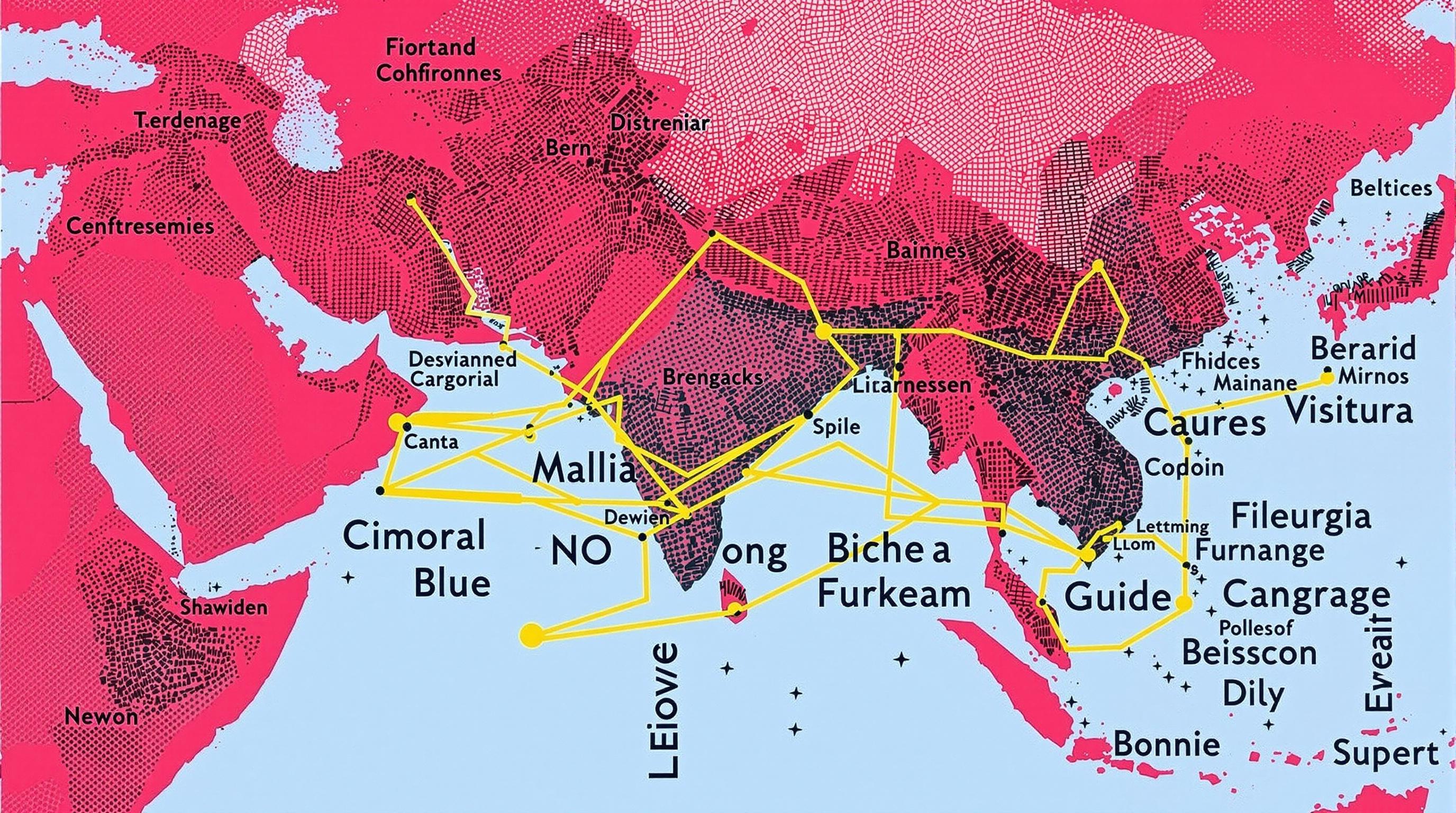
The unseen web of global trade routes significantly shaped the sports events of antiquity, creating a tapestry of cultures, competitions, and camaraderie. From the ancient Olympic Games to medieval jousts, these connections fostered not only athleticism but also cultural exchange and innovation.
The Ancient Olympic Games: A Confluence of Cultures
Let’s kick off our journey in ancient Greece, specifically during the time of the Olympic Games, which began in 776 B.C. These games weren't just a showcase of athletic prowess; they were a celebration of culture and trade. Competitors traveled from all corners of the Greek world, contributing to the spread of ideas, techniques, and innovations. According to historian Paul Cartledge, the Olympic Games facilitated a "safe passage" through trade routes, enabling athletes like Milo of Croton to inspire awe in both sport and strength.
Trade and Team Sports: A New Era
Fast forward to the 19th century, where the Industrial Revolution began to alter the landscape of global trade. Increased trade routes allowed for goods—and with them, sports equipment—to be readily available. This change not only democratized sports but also enabled more organized team competitions. Soccer, or football as most of the world knows it, became a favorite pastime in countries like England, which had the world's largest trading empire at the time. With limited access to equipment, early enthusiasts often improvised with what they had: think makeshift soccer balls and wooden goalposts!
An Example of Cultural Exchange: The Influence of Rugby
A lesser-known fact surrounds the origins of rugby, which took off in the mid-19th century. As British trade routes expanded, rugby found its way to places like South Africa and New Zealand, where local populations adopted and adapted the game. Today, rugby is a huge sport in these countries, showcasing a perfect example of how trade routes fostered the evolution of sports through cultural interactions.
Humor in Sports: A Unifying Language
Speaking of rugby, let’s not take ourselves too seriously for a moment! Imagine a game where the players spend more time giggling than tackling. There’s an old saying in rugby: "You can't drink all day if you don’t start in the morning!" These athletes understood that a united team spirit often originated from shared experiences outside of their sporting lives. Similar to how merchants trading spices and silks developed camaraderie on the high seas, players formed bonds that extended far beyond the pitch.
The Spread of Martial Arts through Trade Routes
If we switch gears a bit, let's talk about martial arts. From kung fu in China to judo in Japan, different forms of combat sports traveled widely through trade routes. The Silk Road didn't just carry silk; it was a bridge for knowledge and skill. The art of wrestling, for instance, came to Europe via the movement of traders and exchanges between East and West. Many wrestlers, like the famed Persian wrestler and poet Ferdowsi, found fame across borders, blurring regional boundaries and cultural distinctions.
Statistics about Global Influence on Sports
And let's not forget the numbers. Did you know that the global sports market is projected to reach $614 billion by 2025? As various nations engage in trade, they also promote sports, leading to a melting pot of athletic expressions. The growth in sports events such as the FIFA World Cup and the Olympics is directly influenced by how easily nations can connect through trade, leading to greater audience engagement and participation.
Case Studies: The Olympic Games in Modern Times
The modern Olympics, revived in 1896, serve as a perfect illustration of this continued influence. Countries participate not only to bring home medals but also to showcase their cultural identities on the world stage. China's emergence as a sporting powerhouse can be understood in the context of its gradual opening up to global trade (and influence) in the late 20th century. In Rio de Janeiro in 2016, 207 nations participated, each bringing its brand of athleticism, style, and national pride—an echo of the interconnected world of trade.
The Role of Technology and Digital Trade Routes
In today’s digital age, trade routes have evolved from physical paths to digital ones. Sports fans can now follow athletes and teams through social media platforms, showcasing how interconnected our world has become. This new age of digital trading can also be seen in how sports data is collected and shared, allowing fans from different parts of the globe to discuss and analyze games almost instantaneously. What used to take months or weeks, now takes seconds!
Conclusion: The Unseen Threads Binding Us
Unquestionably, the unseen influence of global trade routes on early sports events is a rich narrative that transcends time and culture. From the Olympic Games in ancient Greece to the evolution of soccer and rugby, the threads of trade have stitched together a complex and colorful tapestry of sport history. Just as merchants traded goods and stories, athletes have traded skills and cultures, creating a lasting legacy that resonates even today.
So, the next time you kick a ball or cheer for your favorite athlete, remember: you're not just witnessing competition; you're witnessing centuries of trade, culture, and camaraderie come to life. Isn't that a game worth playing?
Read More