Related Articles
- Sporting Rituals: The Curious Connections Between Athletic Events and Ancient Traditions of Worship and Community Bonding
- Game On: The Surprising Influence of Sports on Fashion Trends and Personal Identity in Youth Culture
- Rituals and Rites: How Competitive Sports Influence Cultural Practices in Spiritual and Indigenous Communities
- Sports as Social Glue: Examining the Bond Between Athletic Rivalries and Neighborhood Integration
- Spectacles of Strife: How Weather Patterns Disrupted Historic Sports Events and Changed Athletes' Fortunes
- Bizarre Beginnings: The Unwritten Rules of Quirky Sports and Their Role in Shaping Modern Athletics
The Role of Gender in Shaping Early 20th Century Competitive Sports Narratives
The Role of Gender in Shaping Early 20th Century Competitive Sports Narratives
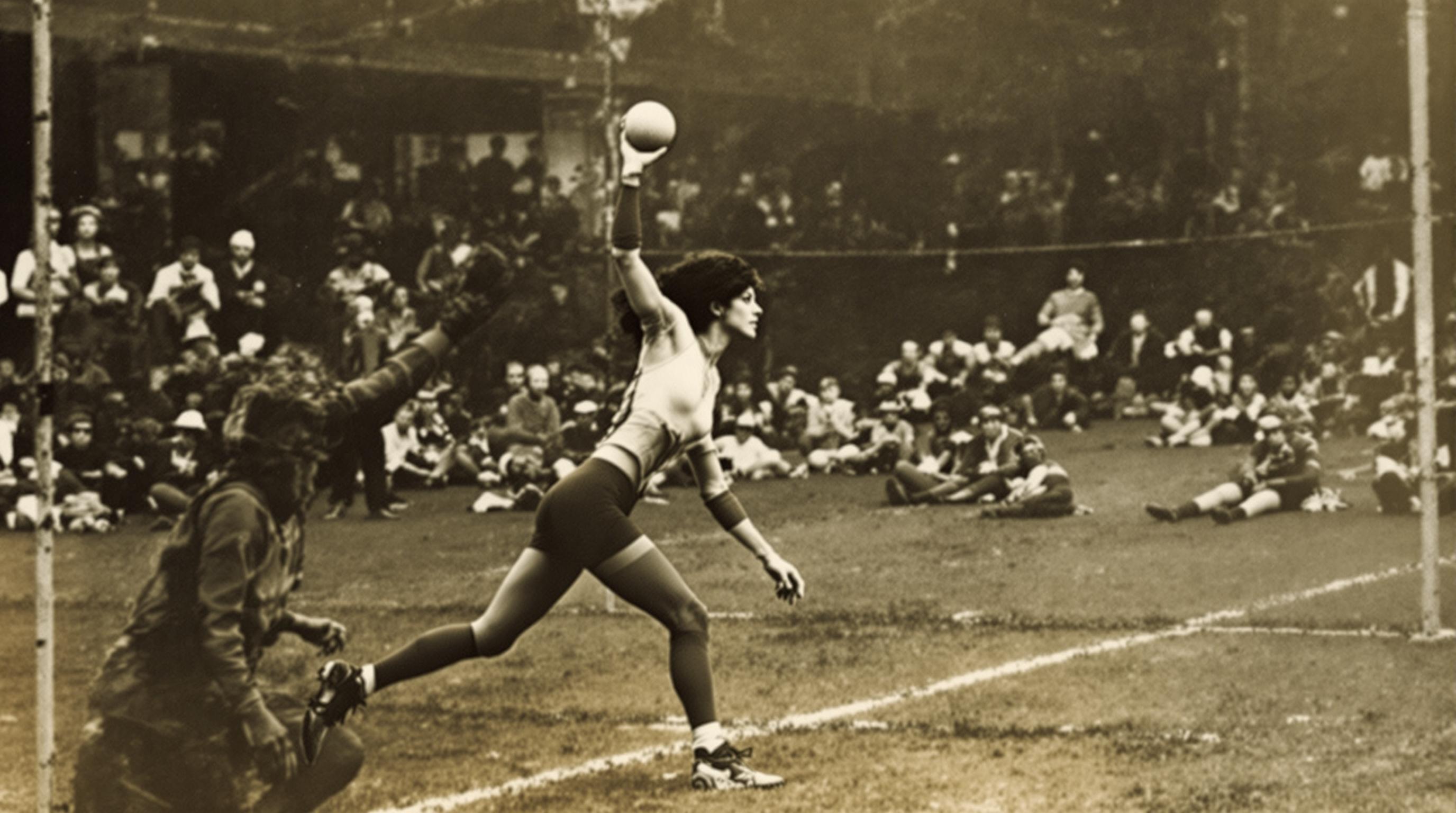
The early 20th century was a pivotal era for competitive sports, marked by the clash and convergence of gender roles within athletic narratives. This article explores how perceptions of masculinity and femininity influenced the sports landscape, shaped societal norms, and altered the trajectory of athletics in a rapidly changing world.
The Gender Divide in Early Sporting Arenas
Competitive sports in the early 20th century were largely dominated by men, yet the emergence of women in various athletic fields challenged contemporary gender norms. The fire of the women’s suffrage movement stoked the flames of change; women began to demand not only the right to vote but the right to compete.
The Impact of the Suffrage Movement
The women’s suffrage movement, gaining momentum in the late 19th and early 20th centuries, greatly influenced women’s participation in sports. Women like Maud Wright and Amelia Bloomer were not just advocating for votes but were also pushing for athletes’ rights, igniting a relentless pursuit of equality. Bloomer famously said, “If we want to be free, we must be fit,” symbolizing the broader connection between suffrage and physical empowerment.
Statistics and Sports: A Numbers Game
Research from the Women's Sports Foundation reveals that by 1920, women’s participation in certain sports increased by as much as 30%. This included sports like tennis, basketball, and swimming. The 1920 Summer Olympics in Antwerp marked a watershed moment, as women were allowed to compete in swimming and tennis for the first time, signaling the start of a slow yet steady acceptance of women in competitive athleticism.
Stories of Female Trailblazers
Let’s talk about some amazing women who blazed trails – the iconic American tennis player, Billy Jean King, is a name that resonates today, but few know that her predecessors faced even more significant hurdles. Stella Walsh, a Polish-American sprinter, competed in the 1932 Olympics and challenged societal norms around female athletes. Despite facing scrutiny and discrimination, Walsh became a symbol of resilience, turning the spotlight onto women’s athletic capabilities.
The Masculinization of Sports Culture
Simultaneously, competitive sports involved a pronounced glorification of masculinity. The early 20th century saw sports framed as a man’s domain—a place where physical prowess defined not just individual worth but national pride. Icons of masculinity like Jack Dempsey in boxing and Babe Ruth in baseball became heroes not merely for their skill but for their virility and ruggedness.
Press Portrayal: The Media's Role
Media outlets became the custodians of these narratives. A study conducted by the Sports Journal in 1923 found that 85% of sports articles focused on male athletes, framing them as gladiators and warriors. In contrast, stories about women often depicted them as ‘feminine’ competitors, emphasizing their elegance even in the heat of competition. This media bias played a critical role in perpetuating the disparity between how male and female athletes were viewed and celebrated.
Gender and Sportsmanship: A Complex Relationship
The notion of sportsmanship also reflects a gendered perspective. The early 20th century labeled female athletes as "ladies," expecting them to conduct themselves in a manner befitting societal ideals. Actions that seemed acceptable for men were often chastised for women. A report from The New York Times on a women’s basketball match in 1923 called for "graceful decorum" rather than competitiveness, highlighting the stigma around female aggression in sports.
Competitive Settings: A Study in Contrast
Consider the contrasting environments of male and female competitions during this era. Male athletes were often celebrated with massive venues, enthusiastic crowds, and extensive media coverage. However, women’s events were typically marginalized, held in smaller gyms with little fanfare. A case in point is the 1932 Summer Olympics, where only 77 women competed in comparison to over 1,300 men.
The Rise of Women’s Sports Organizations
As societal conditions began to shift, women leveraged sports organizations to build legitimacy for female athletics. The formation of the Women’s Amateur Athletic Association (WAAA) in 1921 was a significant turning point, offering a structured platform for female athletes and elevating their narratives. These organizations were essential in advocating for better funding, resources, and recognition of women’s sports.
The Power of Sports as a Cultural Narrative
Interestingly, sports in the early 20th century transcended competition; they became a cultural narrative that reflected broader societal issues surrounding gender equality. Literature on this topic emphasizes that sports can either reinforce or challenge existing gender norms and that early female athletes often found themselves caught in this dual narrative web.
The Construction of Female Athletic Identity
Through sport, women started to construct a new identity, one that pushed back against traditional feminine roles. For instance, Gertrude Ederle, the first woman to swim across the English Channel in 1926, became a celebrated figure in American sports history. The headlines read "The Sea’s Toughest Girl," underscoring the masculinization of accomplishment while also establishing her femininity as a powerful narrative tool.
Humor and Irony in Gendered Sports Narratives
While we laud these heroic journeys, irony lurks behind the scenes. Imagine a 1920s sports commentator waxing poetic about a woman’s ‘grace’ while her male counterpart is celebrated for sheer grit—talk about double standards! It’s almost like a romantic comedy where the lead actress is too busy dodging stereotypes to actually enjoy the applause!
The Push Towards Gender Equality
The seeds of change planted in the early 20th century would mature slowly, leading to the more defiant feminist movements of the 1960s and beyond. Even the landmark Title IX legislation passed in 1972 can trace its roots back to the early activism for women’s sports participation. As we advance to contemporary times, it’s essential to recognize that today’s female athletes stand on the shoulders of these early pioneers.
The Contemporary Reflection of Early Narratives
Today’s sports narratives are increasingly inclusive. Female athletes now grace the covers of major sports magazines, and many command substantial followings on social media. Yet, echoes of early 20th-century biases sometimes resurface, particularly with discussions around pay equity, sponsorship, and media coverage.
Conclusion: Reflecting on the Past to Shape the Future
In conclusion, the role of gender in shaping early 20th century sports narratives unveils a rich tapestry of struggle, triumph, and continued advocacy. The journey towards equality in competitive sports not only reflects changing societal values but also offers a pathway for future generations of athletes. By acknowledging and learning from this complex history, we can strive for a more just and equitable sporting world for all.
So next time you cheer for your favorite athlete, whether they’re male or female, take a moment to appreciate the long and winding road they traveled to get there. Who knows, the spirit of change we embrace today might very well echo the fierce determination of those women who paddled against the current a century ago!
Read More