Related Articles
- Sporting Rituals: The Curious Connections Between Athletic Events and Ancient Traditions of Worship and Community Bonding
- Game On: The Surprising Influence of Sports on Fashion Trends and Personal Identity in Youth Culture
- Rituals and Rites: How Competitive Sports Influence Cultural Practices in Spiritual and Indigenous Communities
- Sports as Social Glue: Examining the Bond Between Athletic Rivalries and Neighborhood Integration
- Spectacles of Strife: How Weather Patterns Disrupted Historic Sports Events and Changed Athletes' Fortunes
- Bizarre Beginnings: The Unwritten Rules of Quirky Sports and Their Role in Shaping Modern Athletics
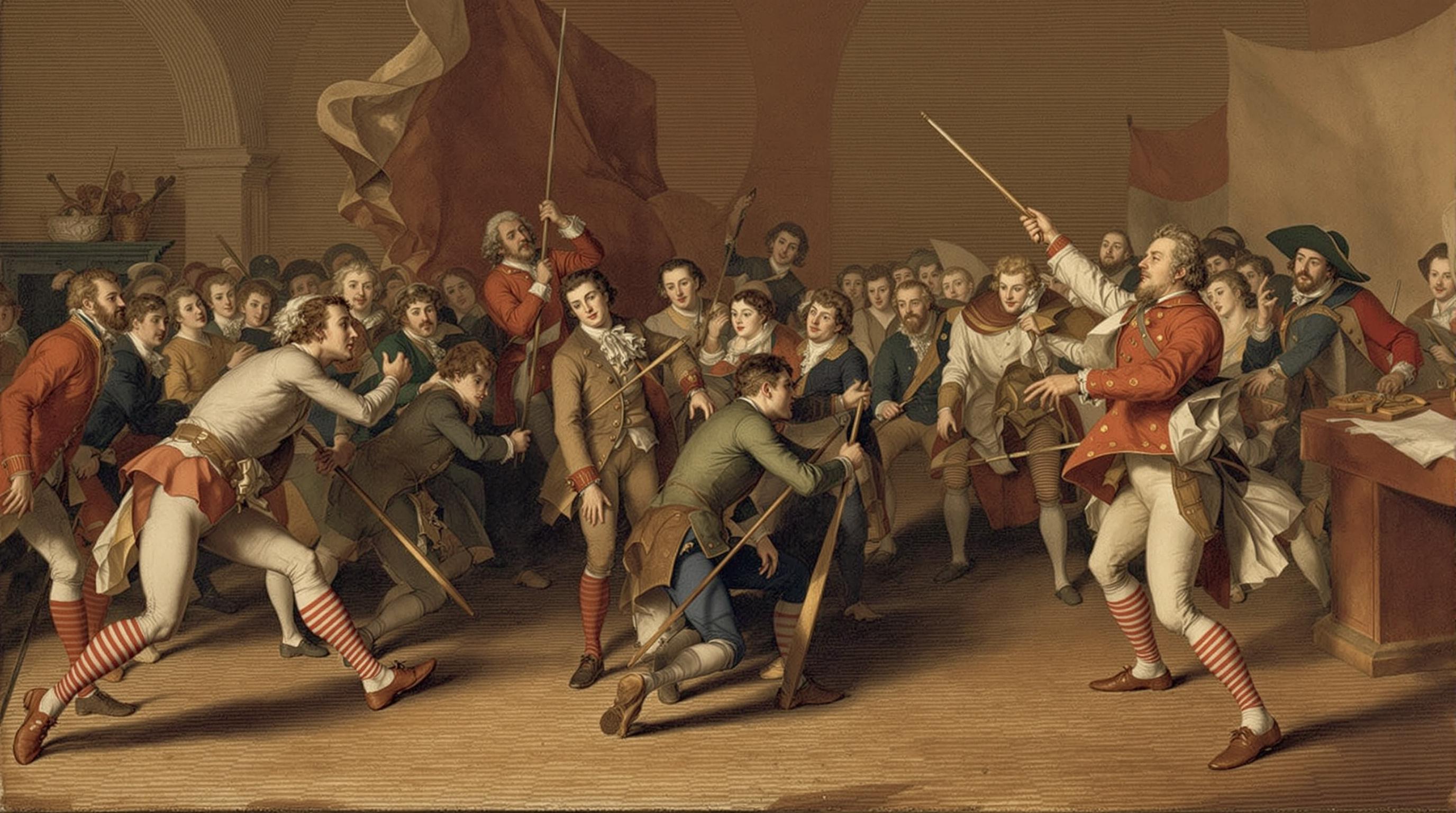
Rivalries and Revelries: The Surprising Cultural Impact of Regional Sports Competitions in the 18th Century
Rivalries and Revelries: The Surprising Cultural Impact of Regional Sports Competitions in the 18th Century
The 18th century was not only a time of great historical change but also a significant era for regional sports competitions that shaped cultural identity and community dynamics. This article explores the rivalries and revelries surrounding these sporting events, revealing how they transcended mere entertainment to affect social structures, local economies, and even political landscapes.
The Rise of Regional Sports Competitions
Throughout the 18th century, regional sports competitions became a microcosm of local culture and identity, often serving as a battleground for community pride. With the rise of organized sports, particularly in Europe, these competitions represented a new form of expression for the burgeoning middle class, providing not only a source of entertainment but also a way to strengthen communal ties.
Community and Rivalry: The Heart of Competition
Consider the famous Scottish sport of caber tossing, a test of strength that has become synonymous with the Highland Games. Each year, clans would gather to compete, not just for prizes but for bragging rights, drawing thousands of spectators eager to witness not only raw athleticism but also vibrant displays of identity. It was not uncommon for entire communities to rally around these events, reinforcing a sense of belonging while simultaneously fueling rivalries that could stretch back generations.
The Economic Boom of Sports Festivals
In many regions, community sports events transformed local economies. A case study from Cornwall, England, illustrates this perfectly. The Cornish wrestling matches, which attracted participants from miles around, created a surge in property rentals, food supply demand, and local trade. Statistics from the Royal Cornwall Museum indicate that up to 15,000 visitors would descend upon the town during these matches, generating substantial income in a primarily agrarian society.
Cultural Influences and Political Undertones
While discussions around sports often focus on athleticism and entertainment, it’s important to note the underlying political narratives. The 18th century was a time of social upheaval and revolution, such as the American Revolutionary War, and regional sports competitions frequently reflected these changes. In many cases, local events would become focal points for political sentiment, with competitions supporting nationalist movements or providing settings for the expression of dissent. For example, during the tumultuous years leading up to the American Revolution, local racing events became informal platforms for revolutionary fervor, where colonists would chant patriotic slogans while fielding bets on horse races.
Rivalries That Shaped Cultures
The intensity of regional rivalries fostered an "us versus them" mentality, often leading to longstanding relationships filled with both animosity and camaraderie. In England, the annual cricket matches between counties like Yorkshire and Lancashire embodied this phenomenon, drawing significant public attention. Statistics suggest that attendances could swell to upwards of 40,000 spectators, with loud cheers and playful banter echoing the stands, creating an atmosphere charged with excitement and tension.
Humor in Sports: Tales from the Game
Despite the fierce competitiveness, sports in the 18th century were not without their lighter moments. One popular tale involves a famous horse named ‘Skeeter’, who inadvertently became a local celebrity after winning a race under dubious conditions. Legend has it that Skeeter was spooked by a flock of geese, causing him to run faster than any horse had ever run before. Spectators enjoyed this anecdote so much that it became a part of regional folklore, leading to a surge in attendance at future races as people came to witness Skeeter’s ‘feats’ firsthand.
The Role of Gender in Sports
As we delve deeper into 18th-century sports, it’s essential to spotlight the often-overlooked role of women. While many sports were male-dominated, women played a significant role in several regional competitions. In England, for example, the sport of fishing traditionally attracted both men and women, with competitive fishing contests becoming increasingly popular by the late 1700s. Women often participated alongside men, showcasing their skills while challenging societal expectations. This blurring of gender lines in sports allowed women more visibility and agency within their communities.
The Enduring Legacy of Regional Competitions
Fast forward to the present, and it's clear that the regional rivalries of the 18th century continue to influence sports culture today. Major sporting events, such as the Olympics and the Super Bowl, have roots that trace back to these earlier competitions, which laid the groundwork for what would become organized, commercialized sports. According to the Pew Research Center, around 37% of Americans identify as sports fans today, reflecting a cultural legacy that began in local competitions centuries ago. These early forms of rivalry not only shaped local identities but would ultimately contribute to a global sports culture embraced by millions.
A Final Reflection: More Than Just Games
In examining the diverse impact of regional sports competitions in the 18th century, we find that these events were far more than mere pastimes. They served as conduits for traditions, vehicles for political expression, and fortresses of community pride. Whether you are a casual fan or an ardent supporter, it is important to appreciate the historical context of sports and the profound ways they have shaped societal norms and values over the centuries.
Conclusion: A Tapestry of Community and Culture
The rivalries and revelries of the 18th-century regional sports competitions encapsulate a vibrant tapestry of community, identity, and history. Understanding these events requires a view that transcends statistics and records; they were about the people and the culture from which they emerged. So, the next time you're cheering for your favorite team or player, remember that you are part of a long-standing tradition that has shaped our world in ways we continue to appreciate today.
Read More