Related Articles
- Sporting Rituals: The Curious Connections Between Athletic Events and Ancient Traditions of Worship and Community Bonding
- Game On: The Surprising Influence of Sports on Fashion Trends and Personal Identity in Youth Culture
- Rituals and Rites: How Competitive Sports Influence Cultural Practices in Spiritual and Indigenous Communities
- Sports as Social Glue: Examining the Bond Between Athletic Rivalries and Neighborhood Integration
- Spectacles of Strife: How Weather Patterns Disrupted Historic Sports Events and Changed Athletes' Fortunes
- Bizarre Beginnings: The Unwritten Rules of Quirky Sports and Their Role in Shaping Modern Athletics
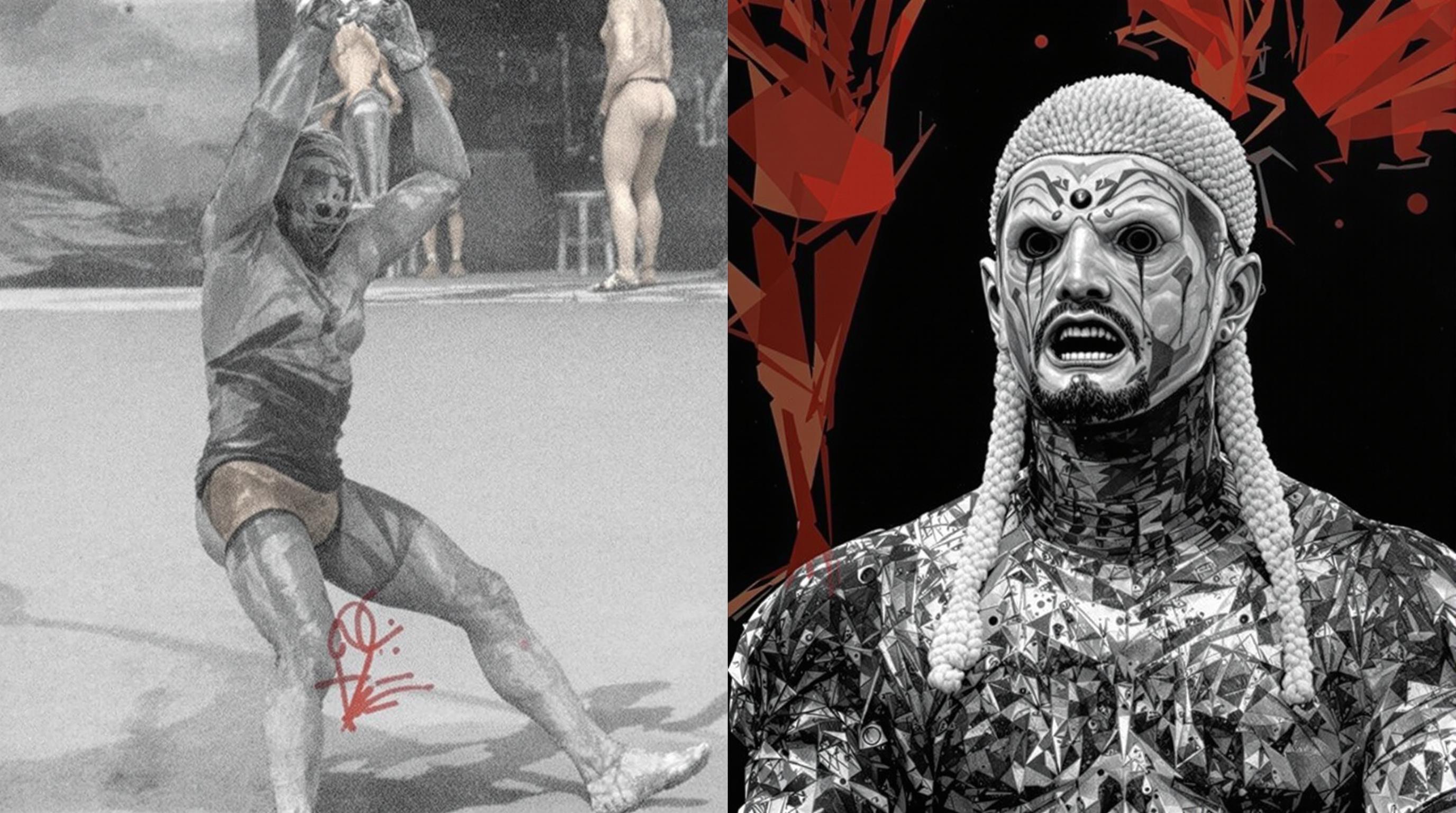
Unearthing the Underbelly: Strange Sports from Ancient Cultures That Defy Modern Logic
Unearthing the Underbelly: Strange Sports from Ancient Cultures That Defy Modern Logic
Throughout history, cultures have birthed some truly bizarre sports that leave modern sensibilities scratching their heads. From ancient Mesopotamia to the vibrant jungles of Mesoamerica, these games not only entertained but also held sociopolitical significance that defies modern logic.
Hulking Heroes of the Past: A Look at Ancient Gladiatorial Games
Imagine a time when entertainment wasn't just about the latest blockbuster film but revolved around blood, sweat, and survival. Ancient Roman gladiatorial games were a prime example, drawing crowds into the massive Colosseum to witness death-defying performances that would make contemporary wrestling feel like child's play. Staged combatants—often slaves or prisoners—were pitted against one another or wild animals, a spectacle that echoed ancient societal hierarchies.
A Case Study in Carnage
According to estimates, there were around 10,000 gladiators in the Roman Empire, yet only a fraction emerged as true champions (Le Glatin, 2021). These warriors were not only fighters; they were also symbols of power and prestige, with some even achieving celebrity status. Can you imagine your favorite athlete delving into the world of gladiators? The lines between sportsmanship and sheer survival were wonderfully blurred.
The Surreal Appeal of Kabaddi
Hailing from South Asia, kabaddi could easily be described as a strange combination of tag and wrestling, but it has roots that stretch back thousands of years. Players enter the opponent's territory, chanting “kabaddi” while holding their breath, as they seek to tag as many opponents as possible without being caught. The game might seem absurd to our breathless Western minds; however, the thrill of strategy and physical prowess keeps its practitioners captivated.
As Odd as a Javelin Tossing Contest
While discarding modern athletic standards, allow us to travel to ancient Mesoamerica, where the ballgame known as "ōllamaliztli" exceeded the mere exchange of points. This sacred sport, played with heavy rubber balls, often determined the fates of entire communities—losers could face dire consequences. Imagine the pressure to throw a ball accurately, knowing it could mean life or death! Using a court shaped like an inverted elliptical "I," players would engage in play that sacrificed both competition and spirituality (López, 2018).
The Weight of History on Heavy Feet
As scholars dive deeper into the significance of the sport, it becomes clear that these ancient ball games were more than just gladiatorial showcases of strength and agility. They represented cosmic dualities, played out on ancient courts where rival societies confronted one another. A game that had its roots in the unenlightened matchmaking of gods and men—how’s that for adding layers to a simple contest?
A Glimmer of Hope and Humor: The Tradition of Cheese Rolling
Fast forward to modern-day England, where a more lighthearted yet equally strange sport continues to captivate the masses: cheese rolling. Every May, brave individuals chase a large wheel of Double Gloucester cheese down a steep hill. The winner? The one who reaches the bottom first (with or without a broken limb). It’s far from the serious plays of ancient gladiators, yet it harkens back to community, celebration, and tradition, recognizing that not every sport of yore had to involve life-and-death stakes.
3,000-Year-Old Footraces: The Persian Sport of Ruzh-Khor
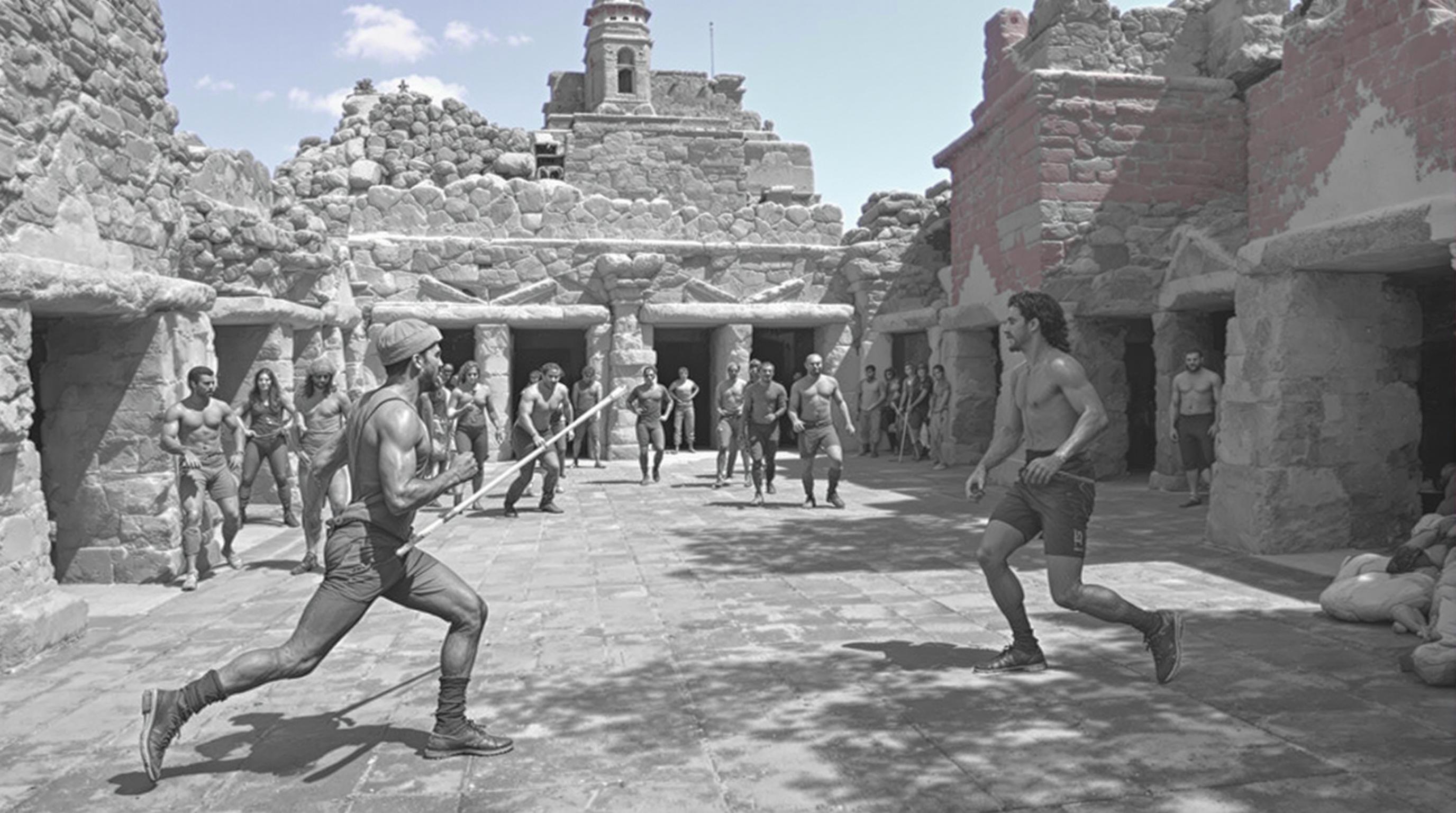
And, speaking of athletic endeavors that don’t always align with our expectations, let’s journey back to ancient Persia, where Ruzh-Khor involved racing while carrying heavy backpacks. This centuries-old tradition depicted the strength of spirit and the body, showcasing participants’ toughness for varied reasons—ranging from military training to simple camaraderie. Competitors would showcase their skill on the uneven ground, an embodiment of resilience from which modern sports can—and should—continue to learn.
Logic vs. Lore
In today’s world where modern sports often skew toward themes of profit and fame, ancient sports remind us of the cultural threads binding communities together. Stats show that a staggering 70% of Americans play a sport at some level, highlighting a societal gravitation towards competition (Statista, 2023). Yet, as we dodge between volleyball and basketball, let’s take a moment to ponder if our contemporary athletic pursuits have strayed too far from their roots. The tales of kabaddi and Ruzh-Khor breathe humor and humanity into sports that wouldn’t make sense to most of us, but made all the sense in the world to those who played them.
A Bizarre Historical Catch: The Sport of Cagnotte
Let’s also explore a lesser-known, yet equally baffling sport from France known as "cagnotte." This ancient game involved an odd combination of fishing and gambling—participants would fish in cesspools while keeping their catch to themselves, if they could. The winner? The individual who successfully brought in the highest number of fish negating any foul play. Today, you might call this unsourced randomness "sportsmanship," but in antiquity, it embodied the wild unpredictability of human nature.
The Balderdash of Bouzkachi
Taking a leap over to Central Asia, we find Bouzkachi, a sport whose name literally translates to "goat grabbing." This horseback game involves teams competing to snatch a headless goat carcass from the ground, carrying it to a predetermined goal in a frenzy of horseback galloping and wrestling. It is no small feat and showcases the loyalty of both the players to their kin and the animals they ride. If you think rugby is rough, prepare yourself for Bouzkachi, where the stakes are often higher than simply scoring points!
The Wild Ride of Strength and Strategy
Bouzkachi is often described as a chaotic symphony of thrashing bodies and determined horses, where strategy must outweigh brute strength. In places like Afghanistan, it's a beloved cultural tradition that speaks volumes about resilience and community. In a world that treats sports like a mere hobby, Bouzkachi insists upon the essential importance of teamwork, spirit, and, of course, a good animal or two! As it turns out, the most bizarre of sports often tell the deepest stories.
Enlightenment Through Estrangement: A Reflection
In reflecting upon these ancient athletics, we find insights into the very human traits that persist across generations: resilience, competitiveness, and the drive to belong. Though the sports from ancient cultures may seem strange or illogical, they underline the sporting spirit as a form of cultural expression that binds communities, despite the gaps of time and space. As we unearth the underbelly of these historical wonders, we realize that human imagination knows no bounds.
A Lasting Legacy: Why We Should Embrace the Unusual
Today, sports have evolved dramatically, yet the strange traditions of yesteryear continue to inspire. By immersing ourselves in these disparate forms, we tap into a rich vein of stories that showcase human perseverance and social culture. So next time you watch a soccer game or your neighbor’s unusual sports league, remember: there’s a world of oddly beautiful traditions waiting to be explored. As the saying goes, "If you can dodge a wrench, you can dodge a ball!"—just don’t go chasing cheese down a hill.
In conclusion, whether it's the steely-eyed gladiator of ancient Rome or the high-spirited cheese chaser of modern England, every sport bears a story. Perhaps it’s time to appreciate the strange amalgamation of logic and lore in athletics, redefining what competition means to us today. For the thrill-seekers, those passionate about the unique, and even casual observers, strange sports from ancient cultures are emblematic of the human condition itself—quirky, complex, and absolutely captivating.
So, who’s up for some kabaddi or perhaps a little Bouzkachi? Or maybe you’d like to join the fabled cheese chasers? Regardless of age or skill, these odd traditions invite us to come together as we defy logic and celebrate humanity. And what’s not to love in a world where strangeness is celebrated?
Read More