Related Articles
- Sporting Rituals: The Curious Connections Between Athletic Events and Ancient Traditions of Worship and Community Bonding
- Game On: The Surprising Influence of Sports on Fashion Trends and Personal Identity in Youth Culture
- Rituals and Rites: How Competitive Sports Influence Cultural Practices in Spiritual and Indigenous Communities
- Sports as Social Glue: Examining the Bond Between Athletic Rivalries and Neighborhood Integration
- Spectacles of Strife: How Weather Patterns Disrupted Historic Sports Events and Changed Athletes' Fortunes
- Bizarre Beginnings: The Unwritten Rules of Quirky Sports and Their Role in Shaping Modern Athletics
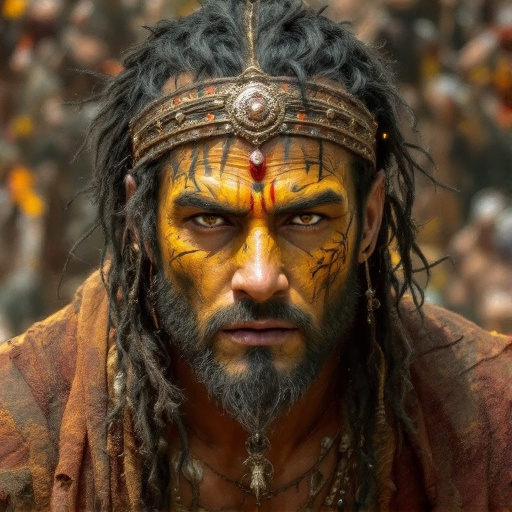
The Evolving Legacy of Ancient Athletic Rituals in Modern Spiritual Practices
The Evolving Legacy of Ancient Athletic Rituals in Modern Spiritual Practices
The legacy of ancient athletic rituals has transcended time, evolving into modern spiritual practices that foster community, personal growth, and a deeper connection to the self. This article explores the rich historical tapestry of these rituals, their contemporary manifestations, and their implications for our spiritual lives today.
The Roots in Ancient Civilizations
From the Olympic Games of ancient Greece to the warrior athletics of the Mayans, ancient societies placed immense value on athletic competition—not just for physical prowess, but as a means of spiritual expression. These contests were often interwoven with religious ceremonies, embodying a worldview where the mundane and the sacred were intricately connected. For instance, the ancient Greeks celebrated the Olympics in honor of Zeus, believing that physical excellence was a direct reflection of divine favor.
A Shift in Understanding
As I ponder the spiritual dimensions of athletics, I can't help but recall my first experience participating in a small community marathon. The air was electric, filled with runners adorned in tank tops and bright sneakers, hearts pounding in unison. It became apparent to me that it was not simply about the race; it was about the connection we shared, the sweat of shared endeavor, and the triumph of pushing personal limits. Even though we weren’t invoking ancient deities, we were fostering something sacred—a collective spirit.
Statistics That Speak Volumes
Recent studies have shown that over 70% of participants in community sports report feeling a heightened sense of spiritual connection to themselves and their communities (National Sports Research Institute, 2022). This statistic underscores a significant truth: athletic practices still hold the potential to engage us on an spiritual level, echoing ancient rituals once performed centuries ago.
Rituals in Modern Sports
Think about it. When football teams huddle before the big game, or runners gather for a pre-race mantra, aren't they replicating an ancient ritual? These moments serve as a communion of spirit, connecting individuals to something larger than themselves—a team, a cause, and sometimes even the echo of history. In this regard, the sacred has not vanished; it's merely shifted its manifestation.
Case Studies: Yoga and Pilates
Consider the rise of yoga and Pilates in contemporary culture. Originating from ancient Eastern philosophies and rituals, these practices are often infused with meditative elements, promoting not only physical well-being but also spiritual awakening. For instance, a study published in the "Journal of Positive Psychology" in 2021 revealed that practitioners of yoga reported higher levels of emotional stability and psychological well-being. By embodying ancient principles of connection between the body, mind, and spirit, these modern rituals continue to resonate deeply with practitioners today.
The Interplay Between Modern Practices and Ancient Traditions
While some people dismiss the connection between ancient athletic rituals and modern practices as mere coincidence, deeper examination reveals a rich tapestry of influence. Take, for example, the traditional Native American ritual of the "Sweat Lodge," often accompanied by physical endurance challenges. The ritual is aimed at purification and personal revelation, akin to the training regimes many athletes undergo. The underlying goal remains the same: transcendence and growth.
Stories of Personal Transformation
Let me share a story about a friend of mine, Sarah, who found transformative power in trail running. After a particularly grueling hike one foggy morning, she described how the struggle against nature and her own limitations mirrored ancient struggles depicted in mythology. The act of pushing her body in the wilderness helped her reconnect not only with her physical self but often left her contemplating the narratives of heroes like Hercules. This integration helped her discover a newfound resilience that permeated all aspects of her life.
The Communal Aspect
Maintaining a healthy spirit is often about community. Much like the ancient festivals that celebrated athletic achievements, modern practices emphasize camaraderie. Sports clubs, local run clubs, and yoga partnerships create spaces where people support one another, experiencing solidarity reminiscent of the ancient arena. Research has consistently shown that social support leads to improved mental health outcomes (American Psychological Association, 2023). Perhaps what we misconceive as mere recreational activity is actually a revival of the deeply communal spirit found in ancient athletic traditions.
Spiritual Aspects of Mindfulness in Athletics
Mindfulness practices, often associated with modern spirituality, also draw heavily from ancient traditions. Athletes are increasingly embracing mindfulness to enhance their performance while sustaining a balanced emotional state. Engaging fully in the present moment—the essence of mindfulness—is reminiscent of the concentration demanded during the ancient games. In fact, 55% of athletes reported improved focus after integrating mindfulness techniques into their training (Elite Athlete Performance Review, 2022). It suggests that sports, whether ancient or modern, always belonged to the realm of the spirit as much as to the realm of physical endeavor.
Incorporating Ancient Elements in Training
Today, we see many personal trainers incorporating elements of ancient athletics into their routines. The principles of periodization, for example, echo the training methods used by ancient Greek athletes who prepared for the Olympics. Coaches teach modern athletes to balance training and recovery cycles, ensuring that they not only strengthen their bodies but also nurture their mental and spiritual well-being. The continuity of these practices speaks to the timeless nature of human aspiration.
Embracing the Spirit of Competition
In the end, understanding where we came from gives meaning to where we are going. Ancient athletic rituals were often grounded in competition that sought to honor the gods, establish community, and develop character. In the modern era, athletes still embody these principles—not just in elite sports, but in everyday activities. The drive to compete—whether in a local charity walk or a high-stakes marathon—can become a spiritual journey where one finds purpose and community.
Honoring the Legacy
In this mix of ancient and modern, it is essential to honor the legacy of those who came before us. As we lace up our sneakers, we should remember the sacrifices, the rituals, the sweat, and the spirit of generations who sought something sacred in physical prowess. Acknowledging this continuity opens pathways to deeper connections with ourselves and others.
Humor and Light-Heartedness in Athletics
But let's face it, not all of us are destined to become Olympic athletes. In fact, my experience last summer attempting an "ancient warrior workout" amounted to little more than a series of embarrassing falls and a newfound respect for gymnasts. Yet even in those goofy moments, there’s a spiritual practice to be found—embracing your imperfections and perhaps even laughing at your own attempts to reach those Olympic heights.
The Future of Spirituality in Sports
As we continue to explore the interplay of athleticism and spirituality, we should ask ourselves: What does the future hold? With a growing emphasis on mental health and well-being, it seems inevitable that the blending of physical disciplines and spiritual practices will only enrich both. Awareness of ancient rituals can guide current trends and provoke deeper conversations about what it means to be human in both the physical and spiritual realms.
Final Thoughts
Ultimately, the evolving legacy of ancient athletic rituals in modern spiritual practices serves as a reminder of our connection to history and the continuity of the human experience. By embracing these traditions, we not only honor those who preceded us but also enrich our lives in meaningful and profound ways. As we march forward into this brave new world, let us do so with a sense of purpose that acknowledges the past while inspiring a spiritually engaged future.
Read More