Related Articles
- Sporting Rituals: The Curious Connections Between Athletic Events and Ancient Traditions of Worship and Community Bonding
- Game On: The Surprising Influence of Sports on Fashion Trends and Personal Identity in Youth Culture
- Rituals and Rites: How Competitive Sports Influence Cultural Practices in Spiritual and Indigenous Communities
- Sports as Social Glue: Examining the Bond Between Athletic Rivalries and Neighborhood Integration
- Spectacles of Strife: How Weather Patterns Disrupted Historic Sports Events and Changed Athletes' Fortunes
- Bizarre Beginnings: The Unwritten Rules of Quirky Sports and Their Role in Shaping Modern Athletics
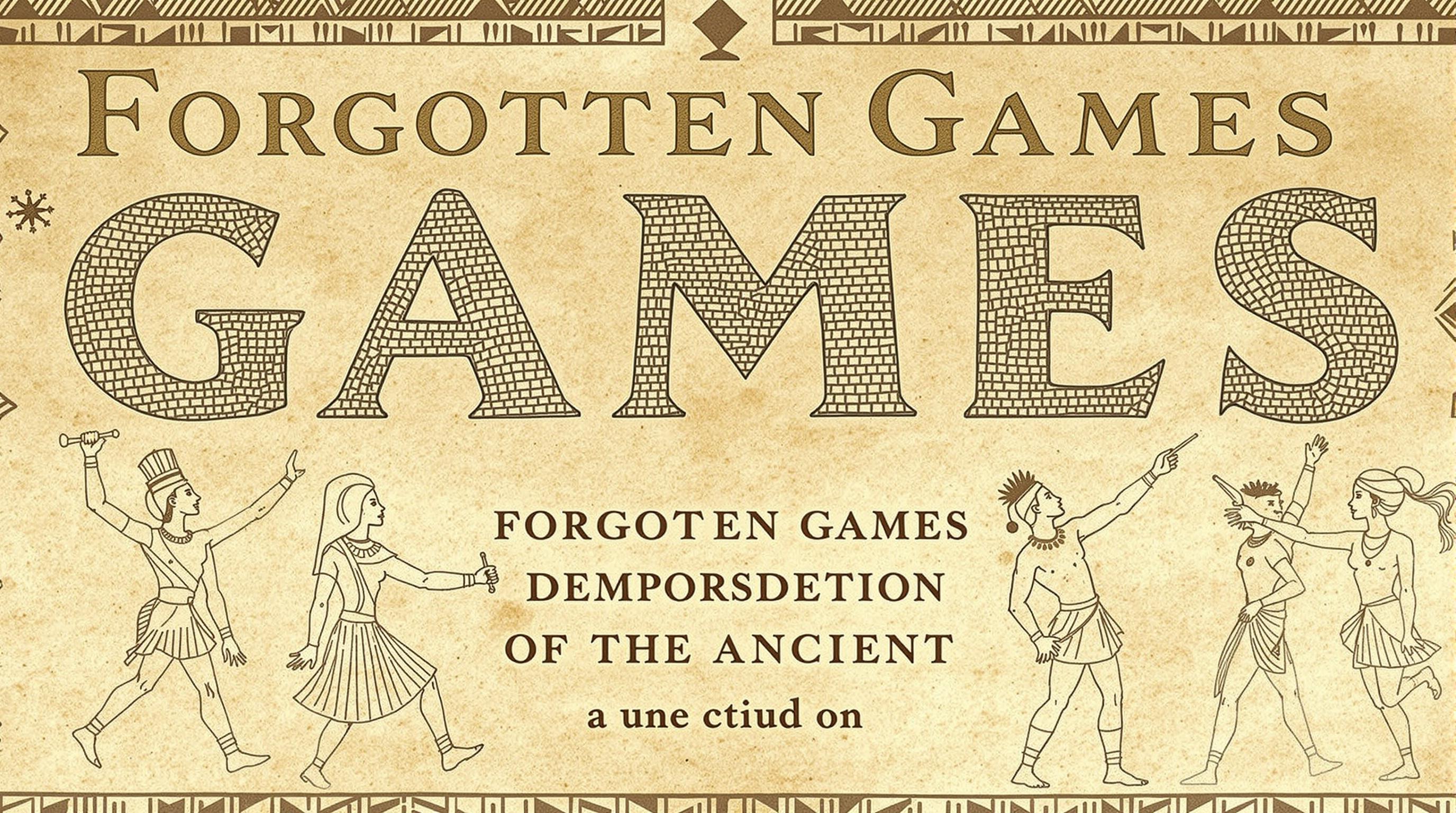
Forgotten Games: Rediscovering the Bizarre Competitions of Ancient Civilizations and Their Modern Echoes
Forgotten Games: Rediscovering the Bizarre Competitions of Ancient Civilizations and Their Modern Echoes
Ancient civilizations hosted a variety of bizarre competitions that both entertained and ritualized their cultures, many of which have interesting echoes in modern games. This exploration not only highlights these forgotten games but also invites readers to consider how the spirit of competition endures through time, shaping our present-day leisure activities.
Strange Titles from the Past
Picture this: the audience roars, drums beat, and the atmosphere buzzes with anticipation. In ancient Rome, gladiators—far more than just fighters—were rock stars of their time, captivating crowds with their unmatched bravery and skill. This competitive spectacle was a combination of sport and theater, blending ancient art forms. While many know of gladiatorial combat, few remember the famed Ludi Romani, games that also included chariot races, theatrical performances, and even poetry readings. According to historians, upwards of 300,000 spectators often gathered in the Circus Maximus to watch these events unfold, demonstrating just how integral competition was to Rome's cultural fabric (Futrell, 2006).
Human Fish: An Ancient Contest Surfaces
Consider “the fish race.” Yes, you read that right. In ancient Polynesia, races involving the release of trained fish were all the rage! Participants would send their trained fish into the ocean, and the first fish to make it back to shore would declare the victor. Crazy enough, anthropologists suggest that this sport might have held cultural significance related to navigation skills, showing off the seafaring prowess of locals. Reflecting on this, it’s akin to the modern pet shows we see today, where training and skill come into play, only now, instead of water, we sieve through a cat show escape!
Modern Echoes: Influences in Today's Sports
Fast-forward to today, and we find ourselves in an era dominated by athletic prowess—but what about the quirks of yesteryear? Take, for instance, sumo wrestling. Originating over 1,500 years ago in Japan, sumo reflects not just physical strength, but also ritualistic gestures and a deep connection to Shinto beliefs. Interestingly, purity rituals and shamanistic practices still resonate within every competition today. Who knew that wearing a loincloth could carry such historic significance? This tangential connection can be found within the robust rituals surrounding today’s Olympic opening ceremonies.
A Game of Strategy: The Ball Game of Mesoamerica
One of the most compelling ancient games comes from Mesoamerican cultures: the Mesoamerican ballgame. Played with a rubber ball and a highly complex set of rules, this game was no mere pastime. It held political and spiritual significance and often resulted in ritualistic sacrifices of the losing team's players! The game symbolized a struggle between life and death, and according to some estimates, could draw thousands of spectators (González, 2002). Imagine today’s football games with such high stakes—we’d probably watch with our hearts in our mouths, clinging to the edge of our seats!
Lasting Legacies: Carnival and Dutch Chuke-Won
In contrast to the intensity of the Mesoamerican ballgame, let’s take a lighter route looking toward the carnival games of ancient Greece. During the Dionysia festival, citizens engaged in wild contests such as “puppy racing,” a version of which is humorously echoed in contemporary puppy races. Notable for their vibrancy and festivity, these games forged communal ties and fostered connections. Importantly, we still find elements of these games in many modern parades and celebrations where camaraderie prevails.
Why Study Ancient Games? A Persuasive Argument
At this point, you may wonder: why indulge in the dusty corridors of history for games long forgotten? The answer lies in the very core of human experience—the pursuit of joy, challenge, and connection. Understanding ancient competitions enriches our perspective on modern sports and leisure activities. Learning about the underlying values embedded in these contests, such as honor, sacrifice, and communal enjoyment, allows us to reclaim those lost narratives today.
Growing Together Through Games
Furthermore, examining the games of yore encourages us to reflect on contemporary society’s evolving values. Could today's obsession with hyper-competition in sports and eSports point toward a loss of communal spirit? Perhaps rediscovering these bizarre games can infuse modern competition with a sense of shared joy and creativity. For instance, could we host community fish races, fostering neighborhood connections while engaging in the athleticism of our finned friends? It’s food for thought!
Humor Amongst the Lions
Sometimes humor accompanies even the most serious top-tier competitions. Take the “Lion’s Leap,” a pointless challenge that was part of kingly entertainment in a bygone era—particularly in the Middle Ages. Contestants would literally leap into a lion's den and attempt to survive, turning a horrifying moment into a spectacle. Although by today’s standards, this might seem completely crazy (and frankly, it is), it did attract large crowds who wanted to see inhuman displays of bravery unfold. Today, we settle for dodging the guests at a house party! One might argue that the lion's leap was replaced with our current version: awkward “leaping” through conversations at social events.
The Cycle of Competition
At its core, competition is a cycle—one that transcends culture, time, and geography. Kids in New York play basketball while the youth of the Amazon is engaged in a version of swimming races that celebrates local spirits. Regardless of the rules and competitors, we steadfastly pursue rivalries to enhance human connection. This natural urge lays the groundwork for societal cohesion—serving as an opportunity to foster respect, skill, courage, and understanding.
Concluding Thoughts: A Call to Action
As we look back at the curiosities of competition from ancient civilizations, I invite you to seek out these echoes in our modern lives. Organize a neighborhood carnival, dabble in local games that bridge past and present, and champion the spirit of friendly competition! By embracing such engagements, we can create spaces for connection—tying together not only our communities but also the vast tapestry of human history.
In conclusion, from gladiators and fish races to lion leaps and carnival games, ancient competitions hold mysteries and offerings for us today. Let’s turn our curiosity and fascination into a re-examination of how we compete—opening avenues for new connections that will enrich our lives and perhaps change the world for the better. As the great historian Eric Hobsbawm once said, "History will always be an unfinished story.” So why not put your own spin on that story today?
As you explore these forgotten games, what do you think is an ancient competition that deserves a modern revival? Let us know your thoughts and join hands in rediscovering the colorful heritage of human competition!
Read More